Syntonic Light Therapy in South Florida
Syntonics — also called optometric phototherapy or photic stimulation — uses specific visual light frequencies to support visual function. At Vision & Learning Center it is one tool inside an individualized vision therapy program, never a stand-alone promise.
What Syntonics Is
Syntonics, also known as optometric phototherapy or photic stimulation, is a type of vision therapy that involves the use of specific visual light frequencies to help improve visual function and ease certain visual problems. The theory behind syntonics is based on the idea that light can have a therapeutic effect on the visual system by stimulating specific parts of the brain and the visual pathways.
Dr. Murray has pursued advanced study in syntonic (light) therapy and may incorporate it as an adjunct within an individualized vision therapy program when it fits the patient’s pattern and goals.
It is used as one tool among many, integrated into a plan built from a comprehensive developmental vision evaluation — never as a stand-alone promise.
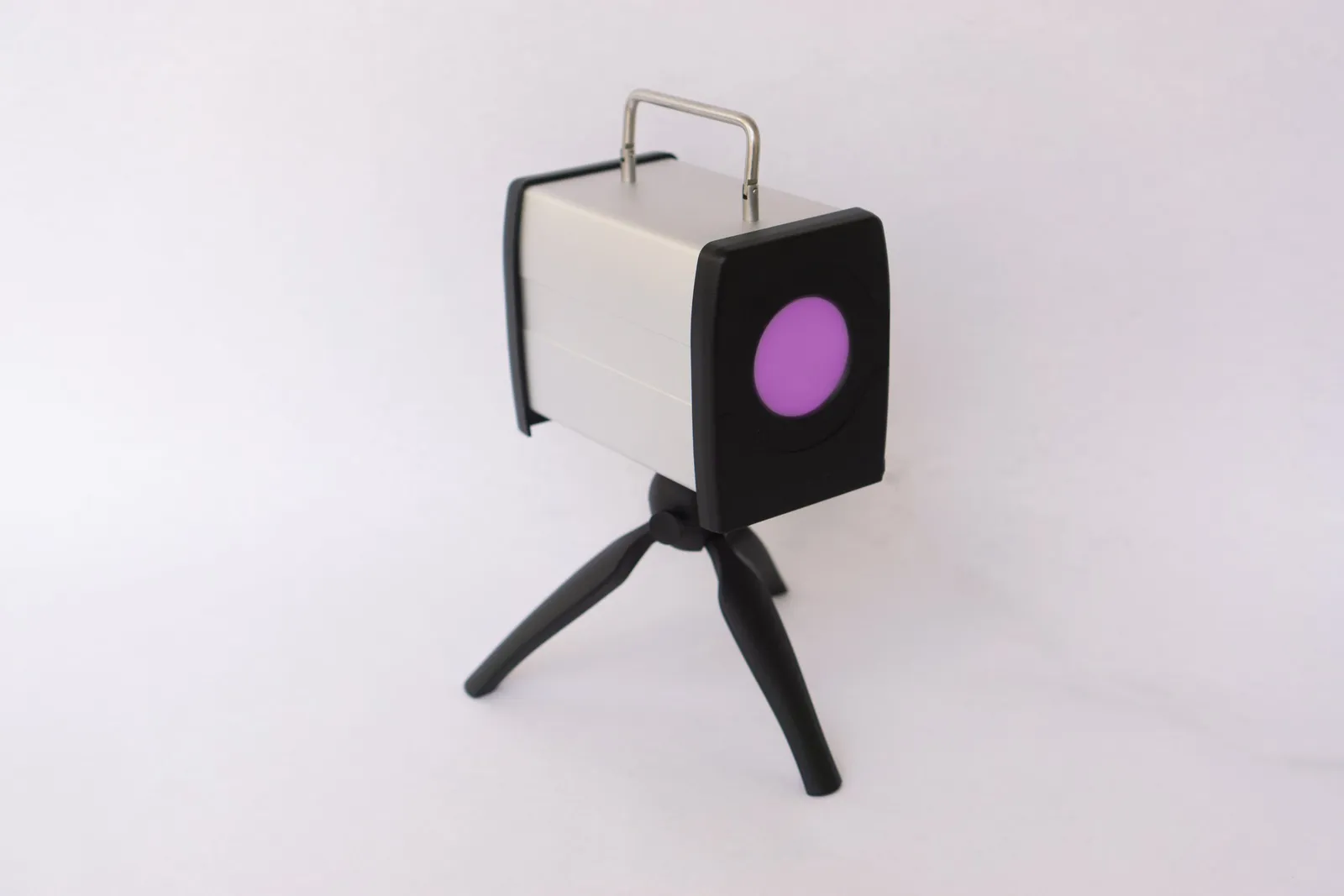
How Syntonics Works in Vision Therapy
Four things shape every syntonics session: which light is selected, how long it is used, what it is meant to stimulate, and how it fits the rest of the plan.
Light Selection
Specific colored lights — usually delivered through a light box or a pair of goggles — emit different wavelengths, typically in the blue and green spectrum. Which color and wavelength are used depends on the individual’s visual condition and the goals of therapy.
Light Exposure
The patient is exposed to the selected colored light for a predetermined amount of time during each session. The light may be directed into the eyes, and the patient may be asked to focus on it.
Visual Stimulation
The exposure is intended to stimulate the visual system and the neural pathways associated with vision. The aim is to support visual processing, reduce visual stress and improve the coordination of the eyes.
Individualized Treatment
Syntonics is individualized to the patient’s specific visual problems and used as part of a broader vision therapy program prescribed by an optometrist or vision therapist. The duration and frequency of sessions vary from plan to plan.
What Syntonics Is Used Alongside
Syntonics is sometimes used as a complementary therapy for various vision-related issues, including strabismus (eye turns), amblyopia (lazy eye), focusing and convergence problems, learning disorders, and in the treatment of brain injuries and emotional disorders.
In every one of those situations it sits alongside the rest of the program — the lenses, the in-office activities and the home practice — rather than replacing them. Whether it belongs in a particular plan is a clinical decision made after testing, not a default.
Symptoms Syntonics Is Commonly Used For
These are the symptom patterns and history items we weigh when considering syntonics. They are reasons to be evaluated — not a diagnosis, and not a promise that light therapy alone will resolve them.
Visual
- Blurred or fluctuating vision
- Eye turn or lazy eye
- Double vision
- Eye strain or fatigue
- Reduced peripheral vision
- Glare or light sensitivity
- Night vision problems
Visually Related
- Headaches
- Poor concentration or attention span
- Reading problems
- Reduced academic performance
- Poor coordination or balance
- Reduced athletic performance
- Driving or depth perception problems
- Job performance or sustained near-task difficulties
History of Stress or Trauma
- Physical
- Mental
- Emotional
- Illness: chronic or severe
- Allergies: chronic or environmental
A history of stress or trauma matters. Physical, mental or emotional stress, a chronic or severe illness, and chronic or environmental allergies can all affect how the visual system copes with everyday demand — so we ask about them during the evaluation, whether or not syntonics ends up in the plan.
Where Syntonics Fits in Our Care
Vision Therapy
An individualized program of in-office sessions and home practice that builds eye teaming, tracking, focusing and visual processing. Syntonics, when it is used, is one component inside that program.
Examinations
A developmental vision evaluation measures the functional skill layer a standard eye exam can miss, and is what determines whether syntonics — or any other tool — belongs in your plan.
Related Reading
Vision Therapy Goals and Procedures of Vision and Learning Center
What a developmental vision evaluation measures, and how the results turn into an individualized therapy program.
Can Vision Therapy Help After a Brain Injury?
How a brain injury can disrupt the visual system, and what rehabilitation of those skills looks like.
Migraines, Blurry Vision and Sensitivity to Light
Light sensitivity, blur and headaches often travel together — and can point to binocular vision dysfunction.
Amblyopia: In The Eyes of A Therapist
What lazy eye actually is, why suppression develops, and how therapy addresses it.
Wondering Whether Syntonics Belongs in Your Plan?
It starts with measurement. A developmental vision evaluation at our Boynton Beach and Boca Raton offices shows exactly which visual skills are struggling — and which tools, syntonics included, are worth using.