Vision & Learning Center
“Everything Looks Normal” — But Reading and Focusing Are Still a Struggle?
Many children and adults have a vision problem a standard eye exam never checks for. Vision & Learning Center finds it, explains it, and treats it — so the eyes and brain finally work together.
Children & adults 4 South Florida offices Developmental optometry
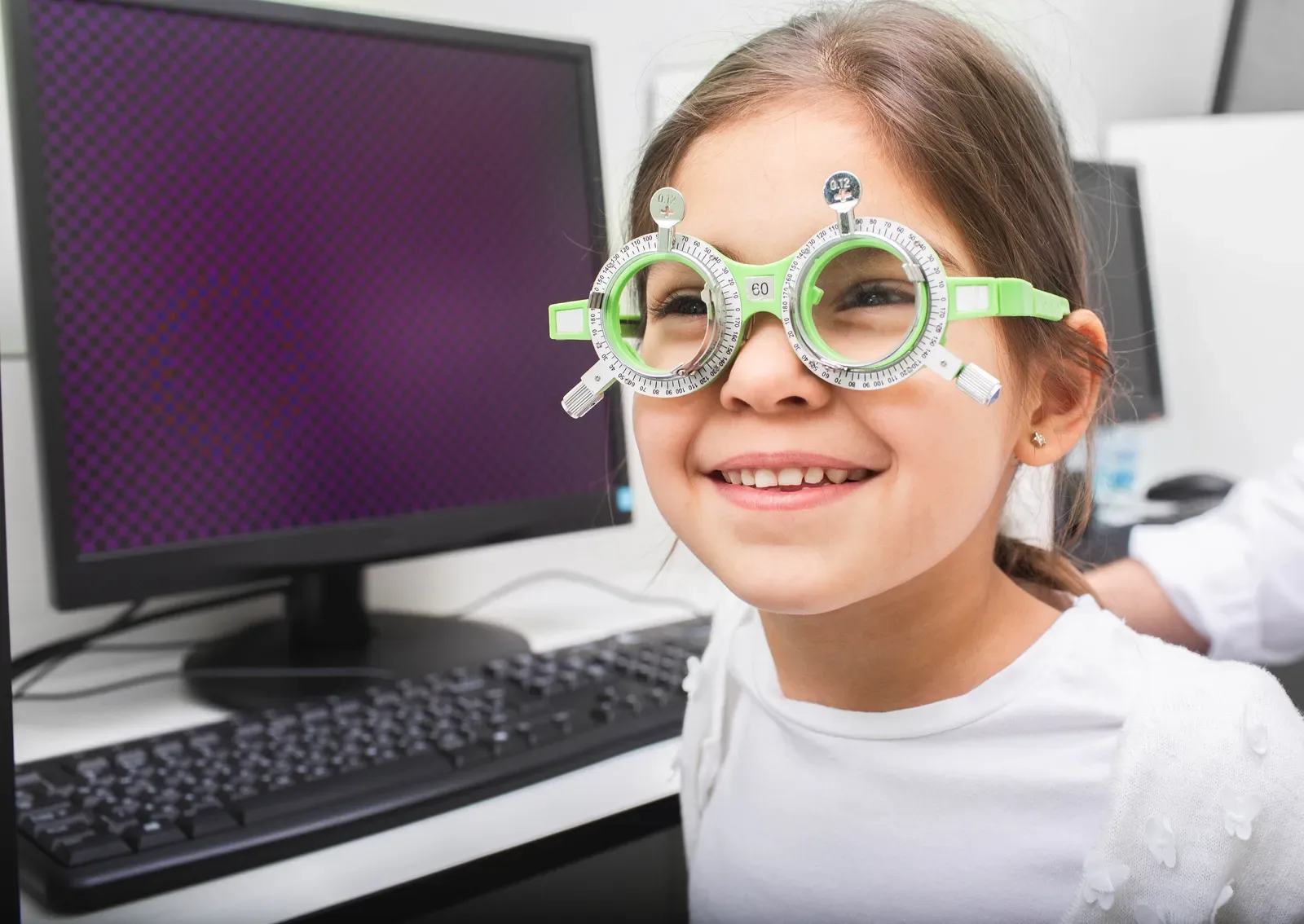
Welcome
A Look Inside Our Offices
A standard eye exam is excellent for eye health and your glasses prescription — but it may not assess how the eyes team, track, and focus during real-world tasks like reading. When those skills are inefficient, the chart can read 20/20 while school, work, and daily life quietly get harder.
Start Here
New to This? Get Clear Answers.
Most families arrive with the same questions. Here are straight answers — before you book anything.
Symptom Checklist
43 symptoms, one instant score. Check what you are seeing and bring the result to your appointment.
Problems
The signs that vision is the hidden reason behind reading, focus, or comfort struggles.
Cost & Price
What evaluations and therapy cost, and how insurance fits in — explained up front.
Comparisons
How vision therapy compares with tutoring, prism glasses, patching, surgery and "wait and see."
Reviews
Hundreds of families have done this. Read their experiences in their own words.
Best in Class
What sets a developmental optometry practice apart, and how to choose one.
Watch
What Is Vision Therapy?
Under four minutes on what vision therapy is, and who it helps.
Vision therapy is a doctor-supervised program that builds the visual skills reading, learning and comfortable screen work depend on — eye teaming, tracking, focusing and visual processing. Read the plain-English guide, see how a program works, or look at the evidence behind it.
Patient Stories
Real Families. Real Progress.
“I was blown away by Dr. Murray's knowledge and communication about vision processing disorder, something we had never heard of at the time. She made my son very comfortable during the evaluation and spent a lot of time with us reviewing her findings and next steps. All of the staff is wonderful and knowledgeable. Highly recommend if you have any concern that your child may need this type of care.”
“Dr. Murray and her staff are wonderful! Getting an assessment and then Vision Therapy here has been super helpful for my daughter. She got headaches at school almost daily, and whenever she read she tired easily, lost where she was, and had a hard time staying focused on the text. All of this got much better with a few months of Vision Therapy. It was a commitment that was absolutely worth it!”
“Dr. Murray and her staff are amazing! They really care about their patients and are very friendly and warm. They made my daughter feel very comfortable right from the start. Dr. Murray is extremely knowledgeable and the best at what she does!”
“Terrific experience in a clean, well-organized facility. All personnel wore smiles throughout my visit. Felt very safe. The doctor offered excellent service and explained every step of my eye exam along the way in terms I could understand. Check-in and check-out were both seamless with little waiting. Would highly recommend based on my first visit.”
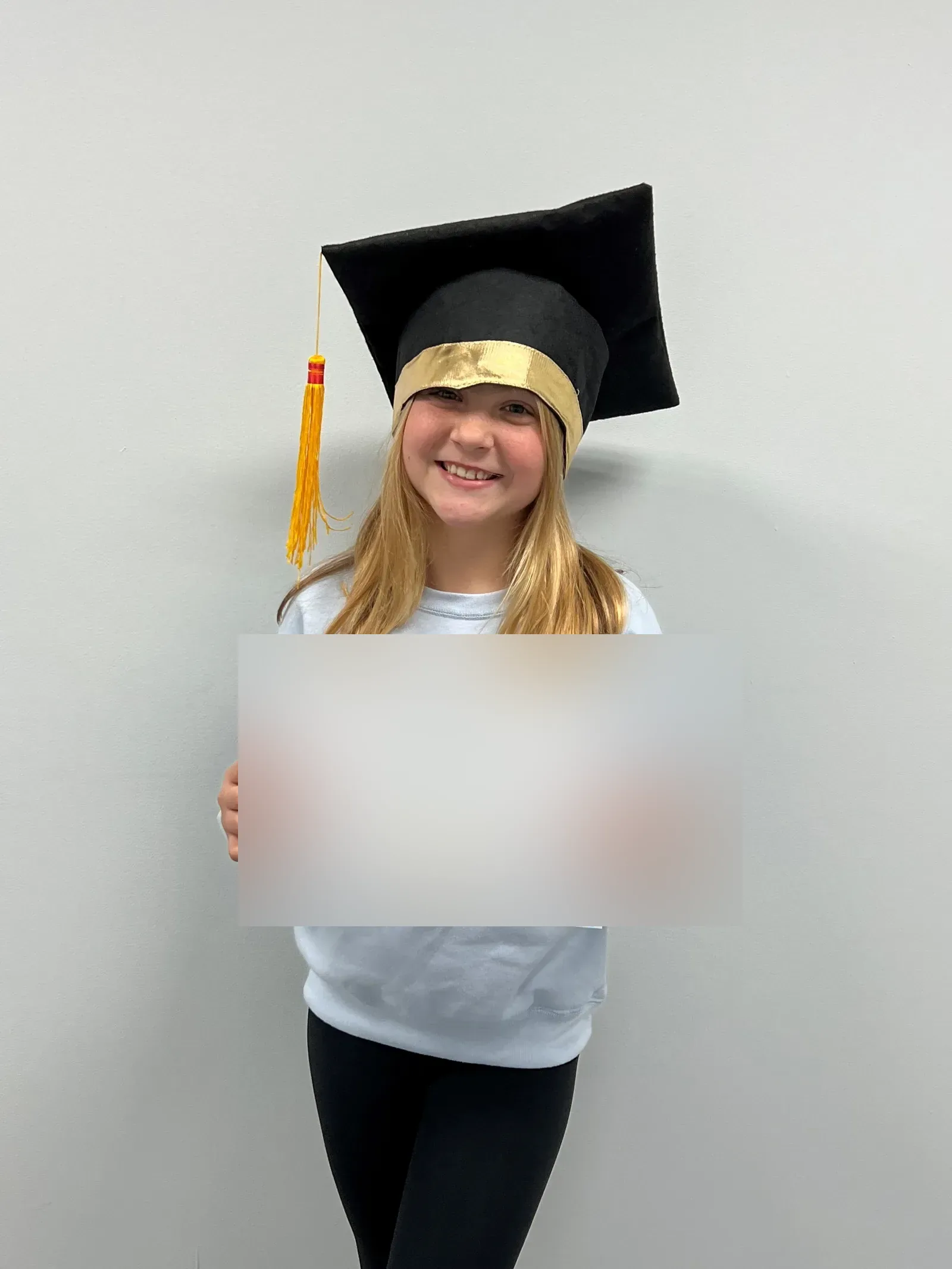
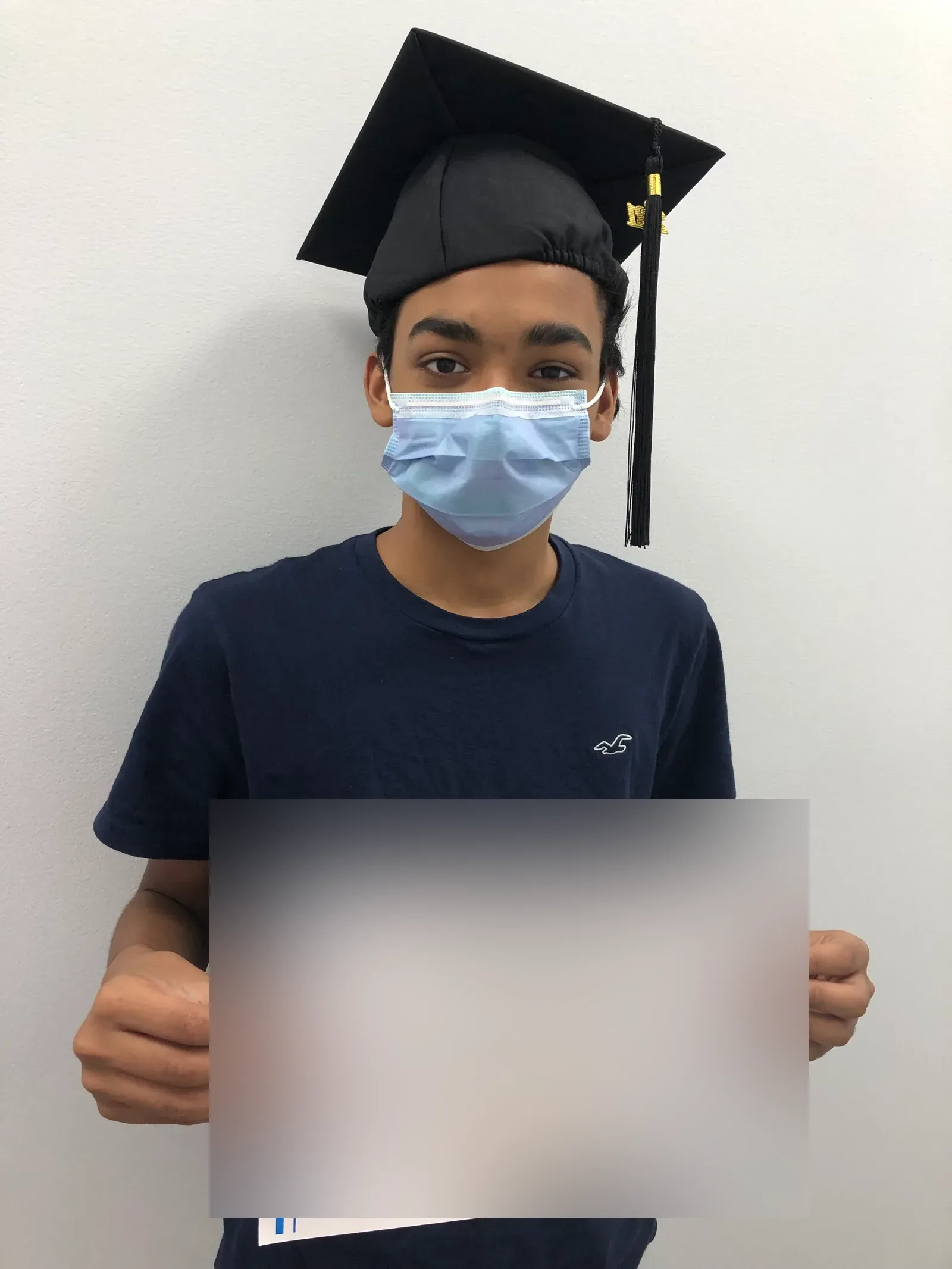
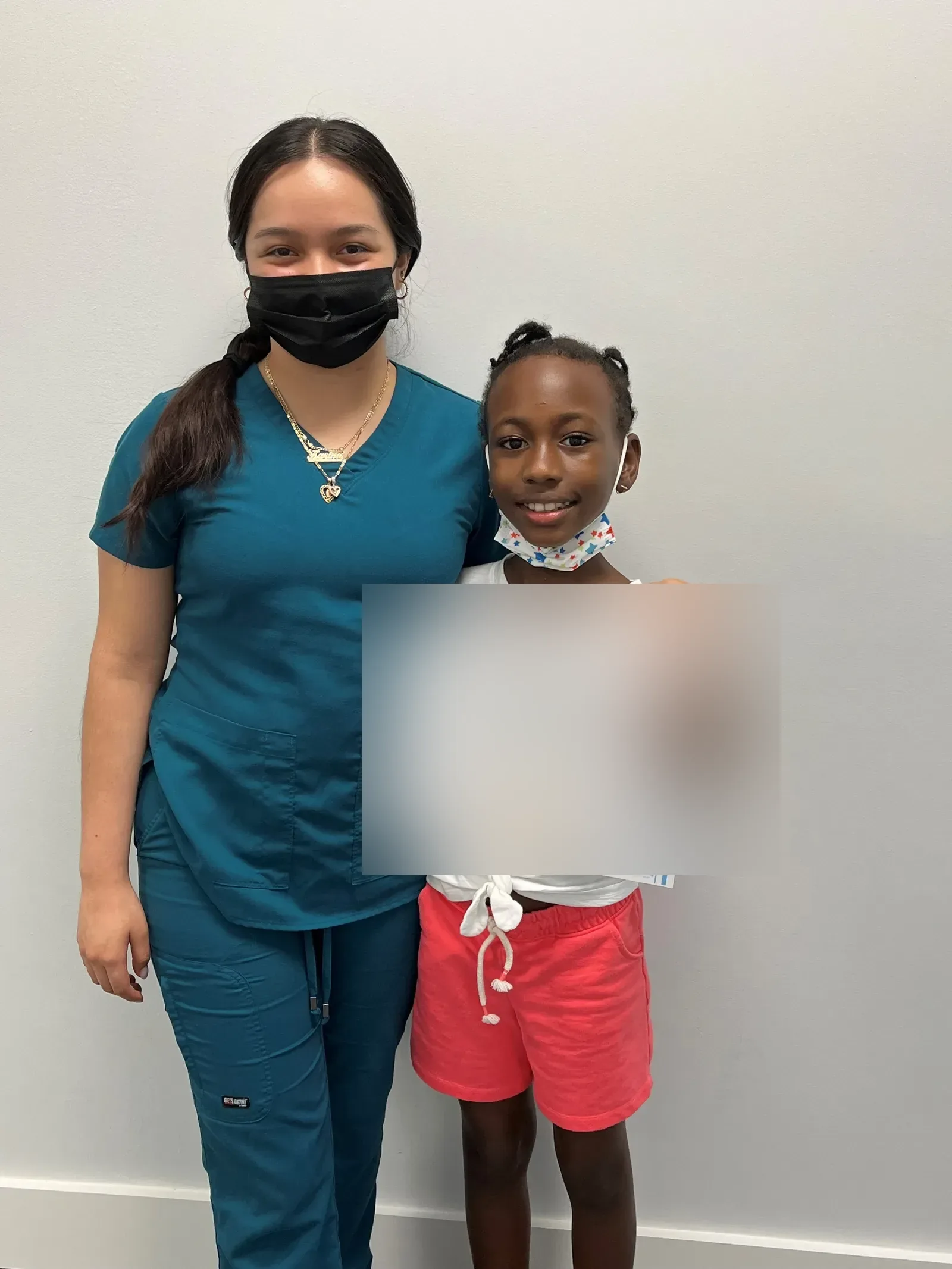
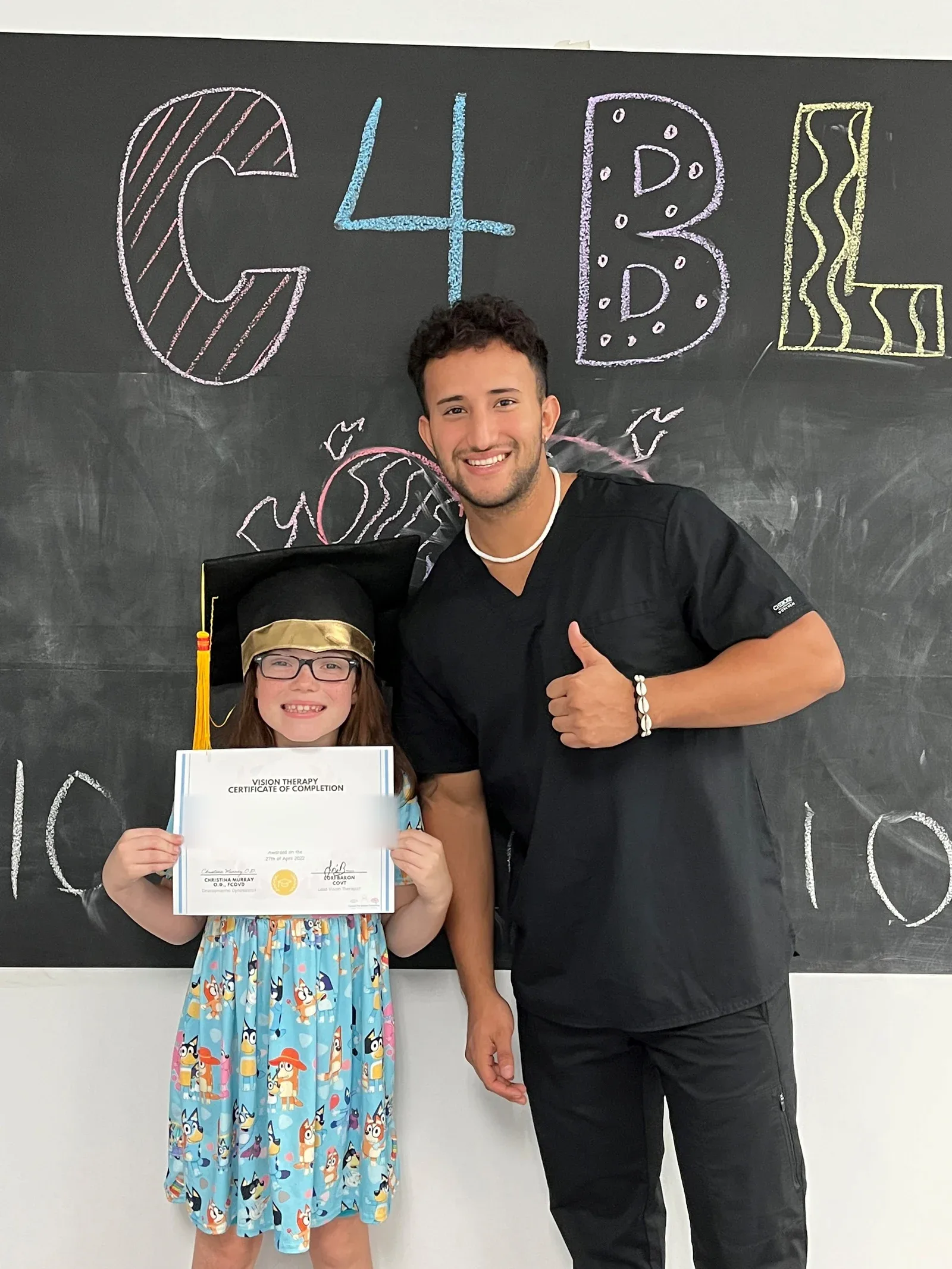
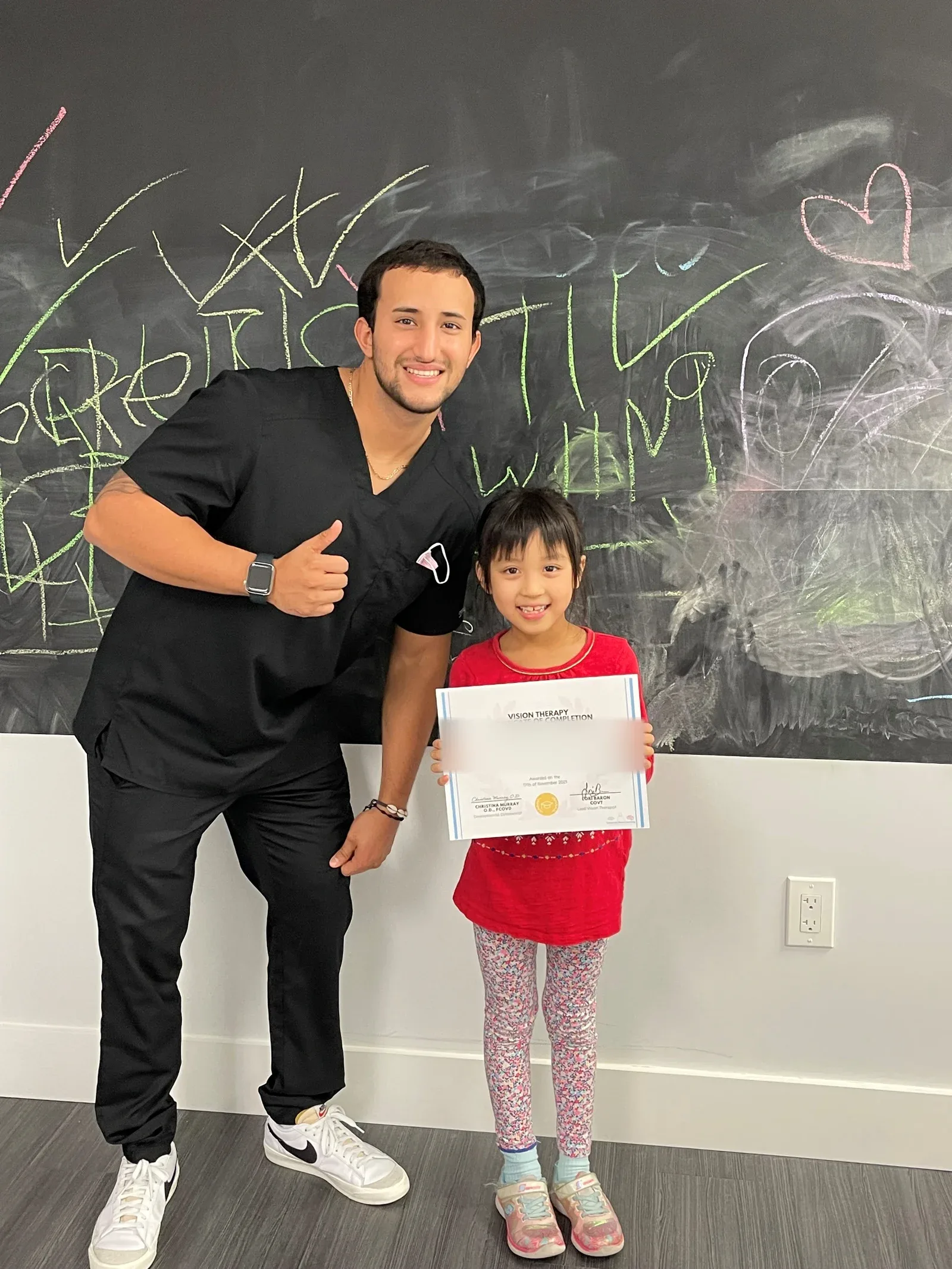
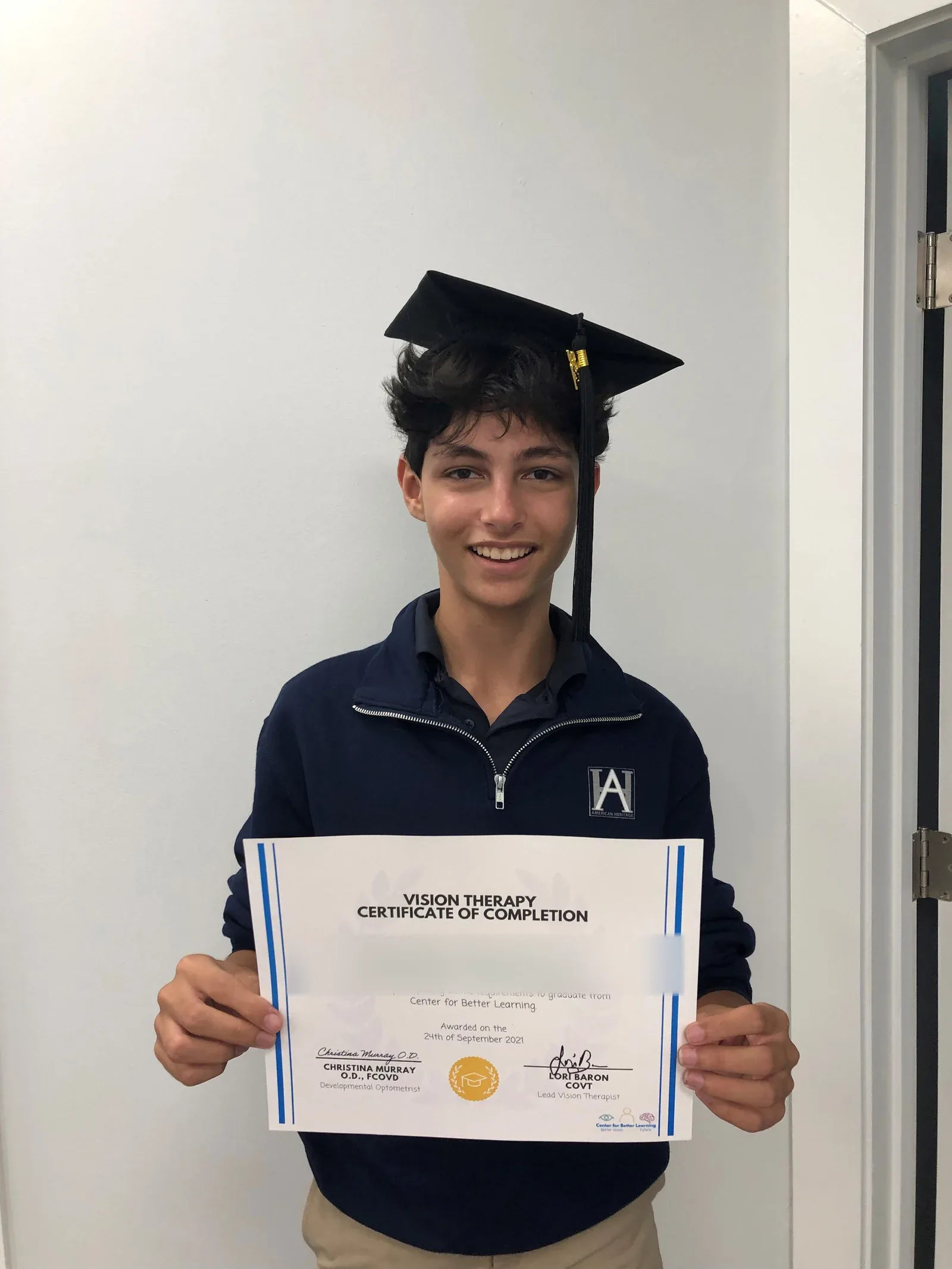
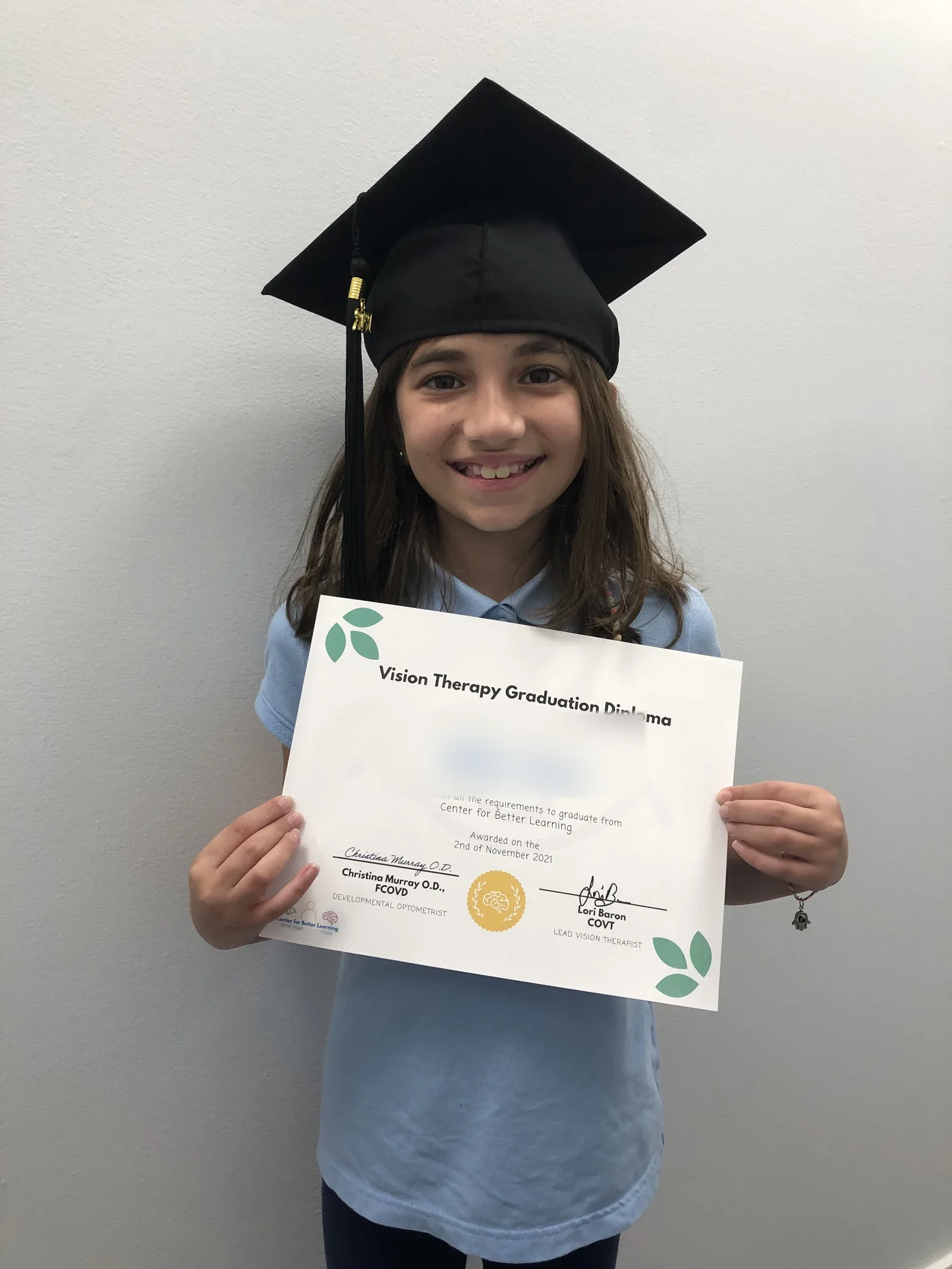
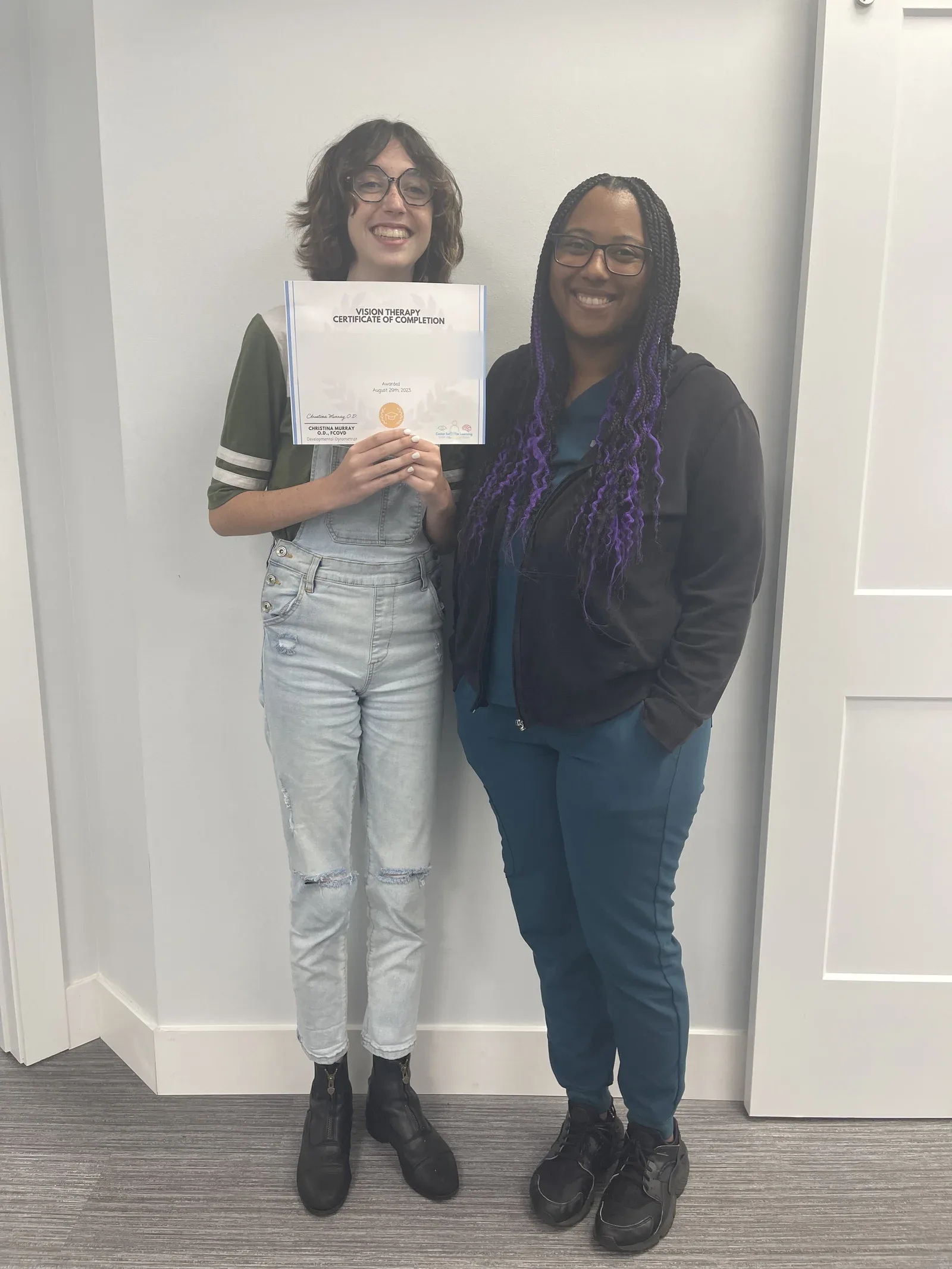
Graduation Day
The Best Part of Our Week
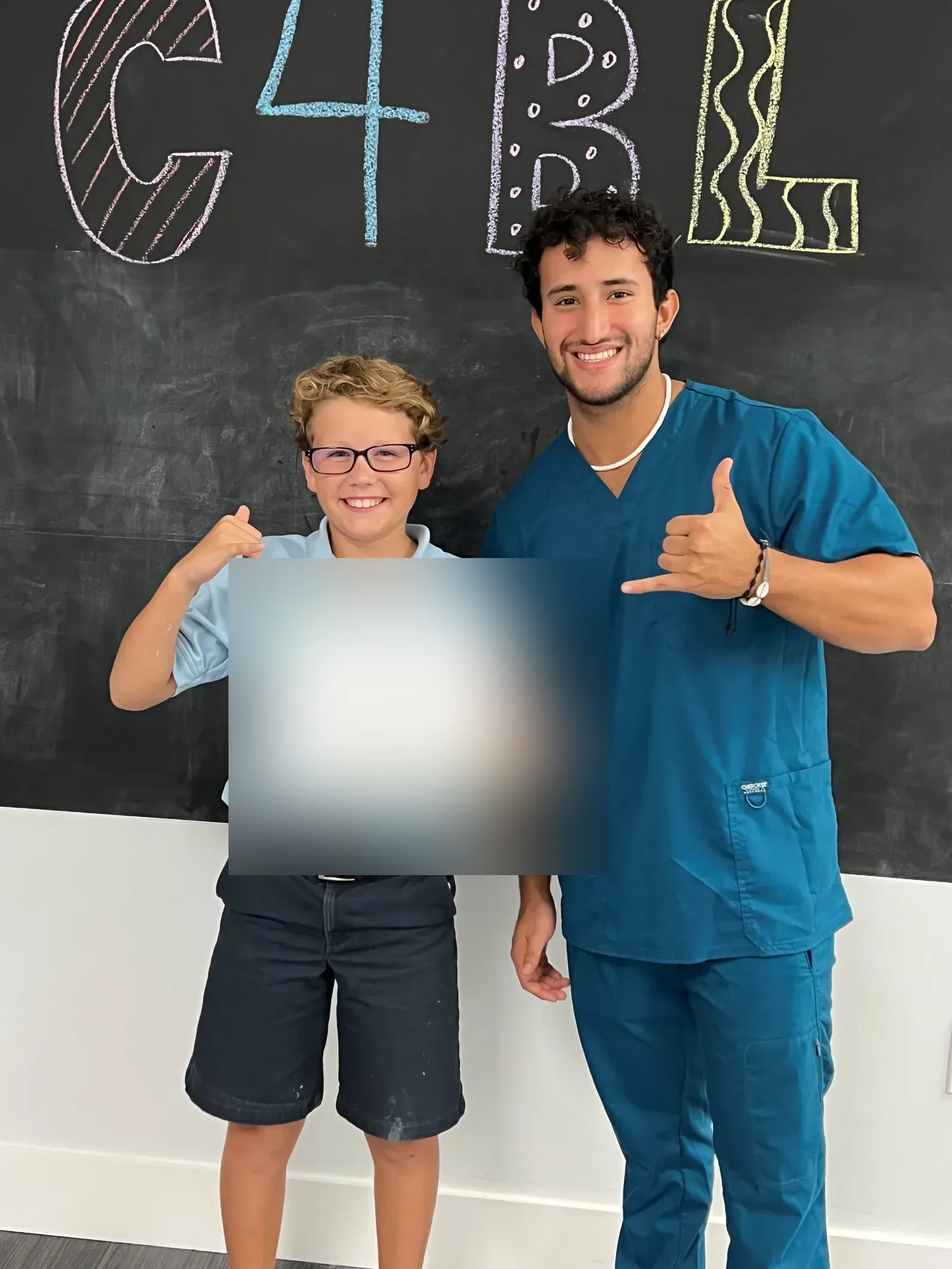
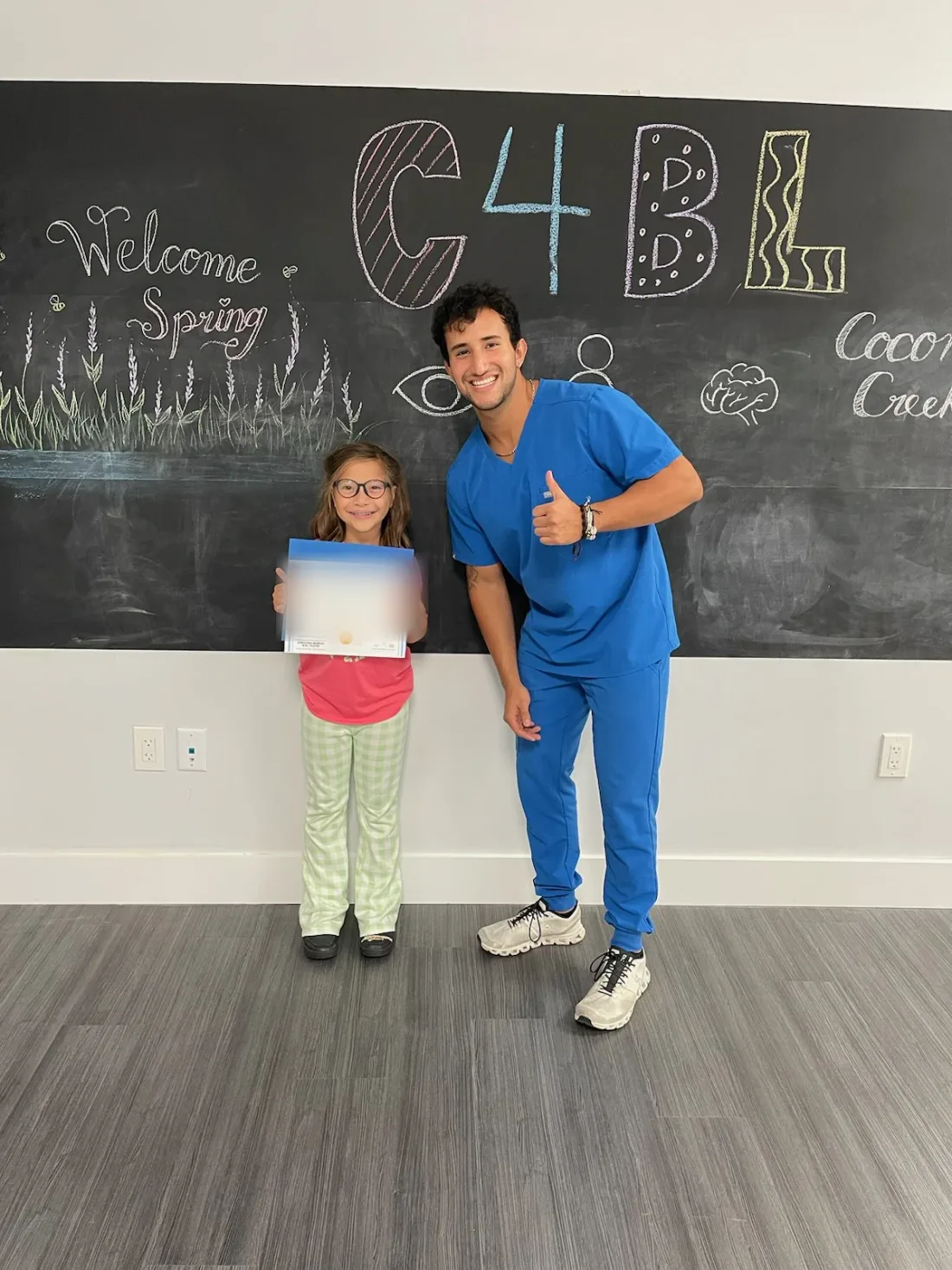
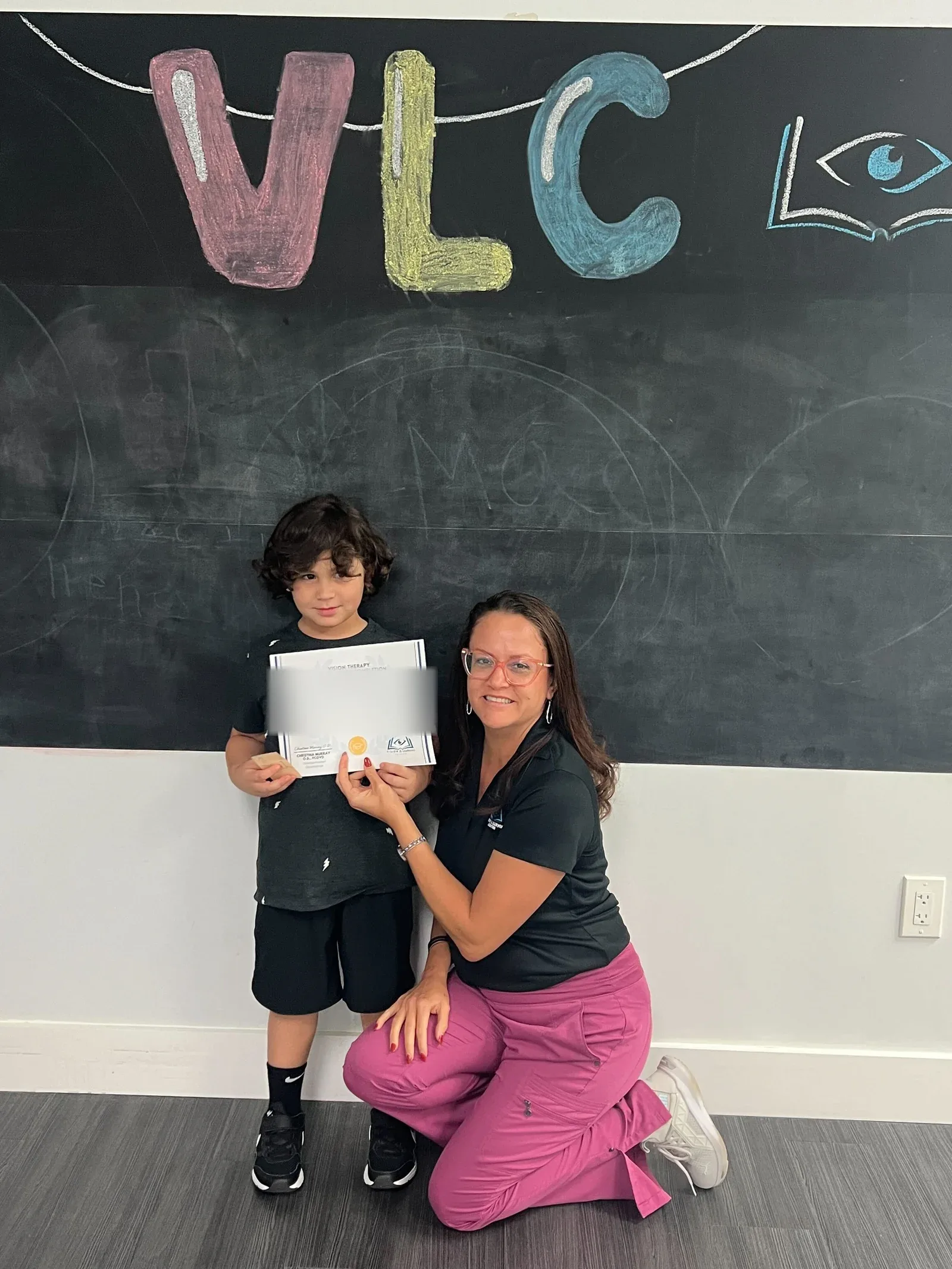
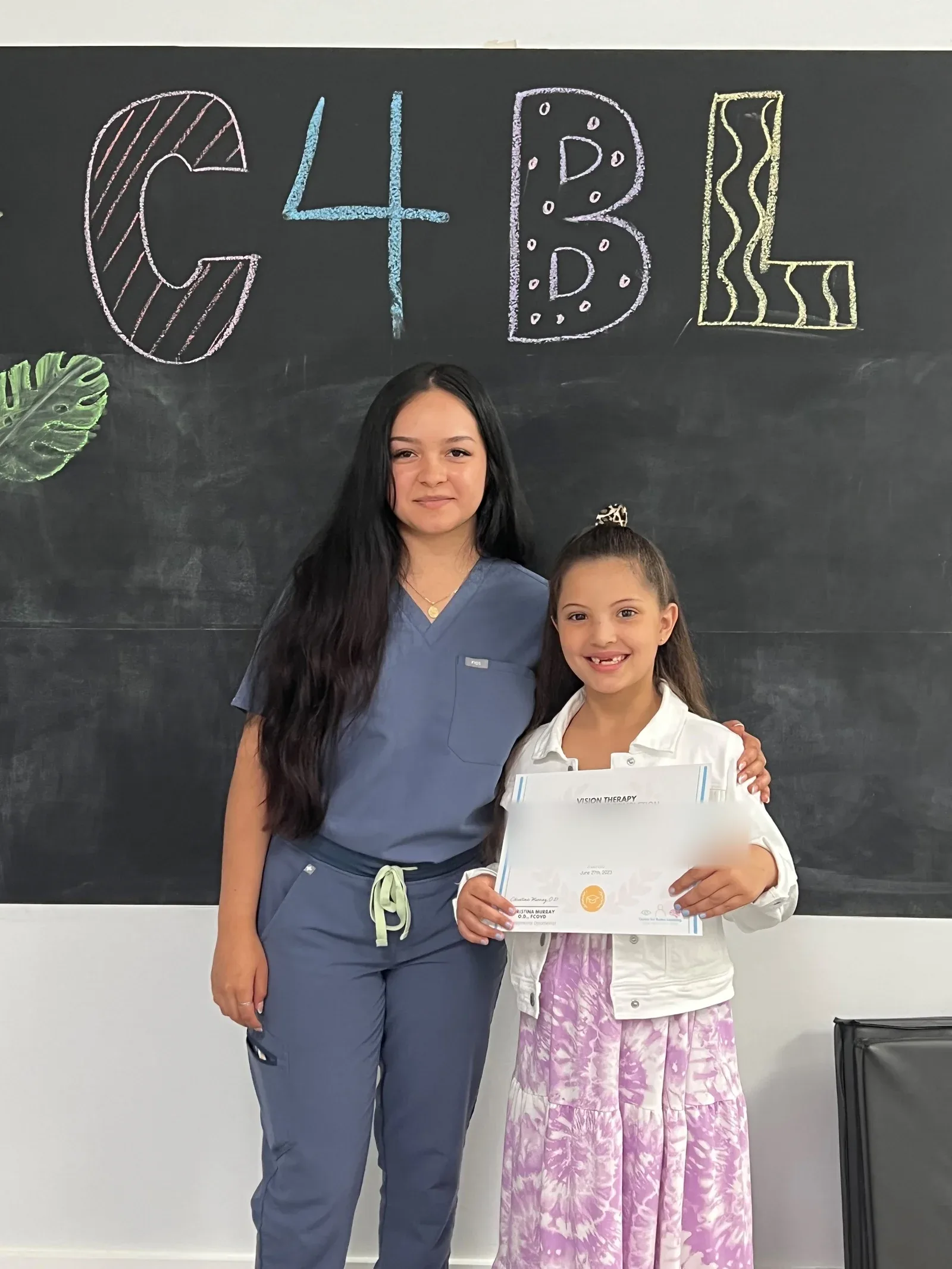
Every one of these patients finished their vision therapy program. This is what the end of a program looks like.
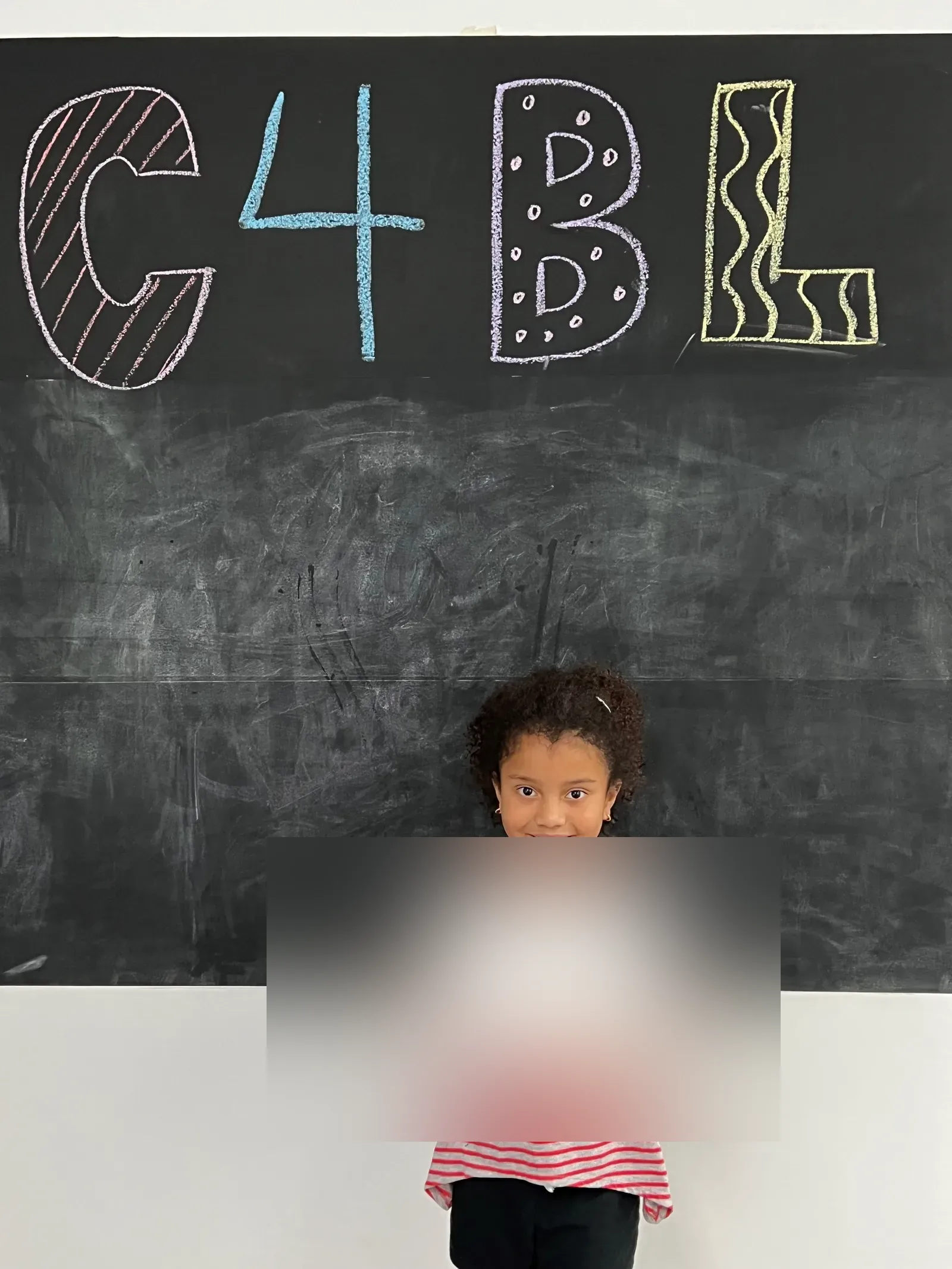
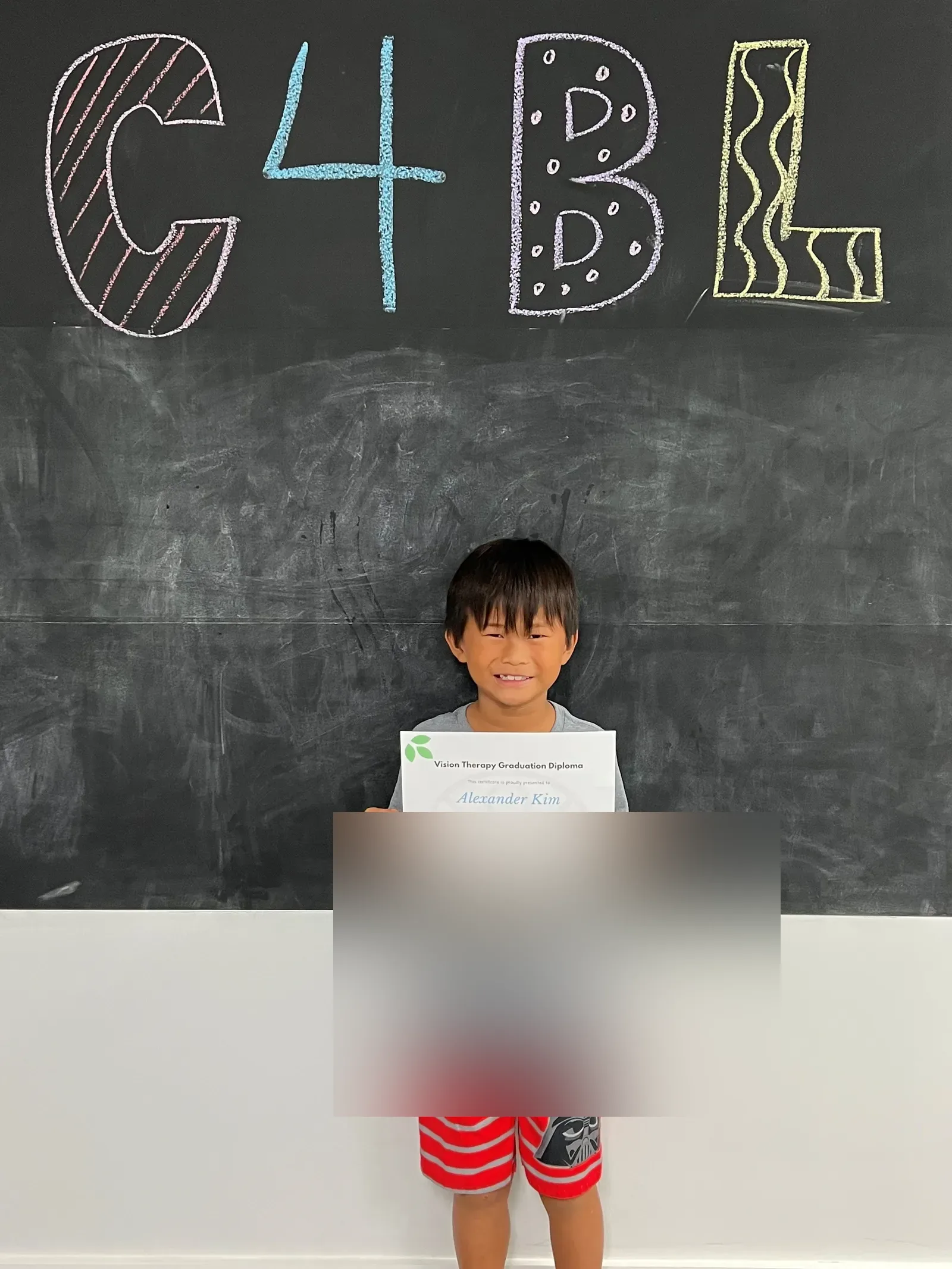
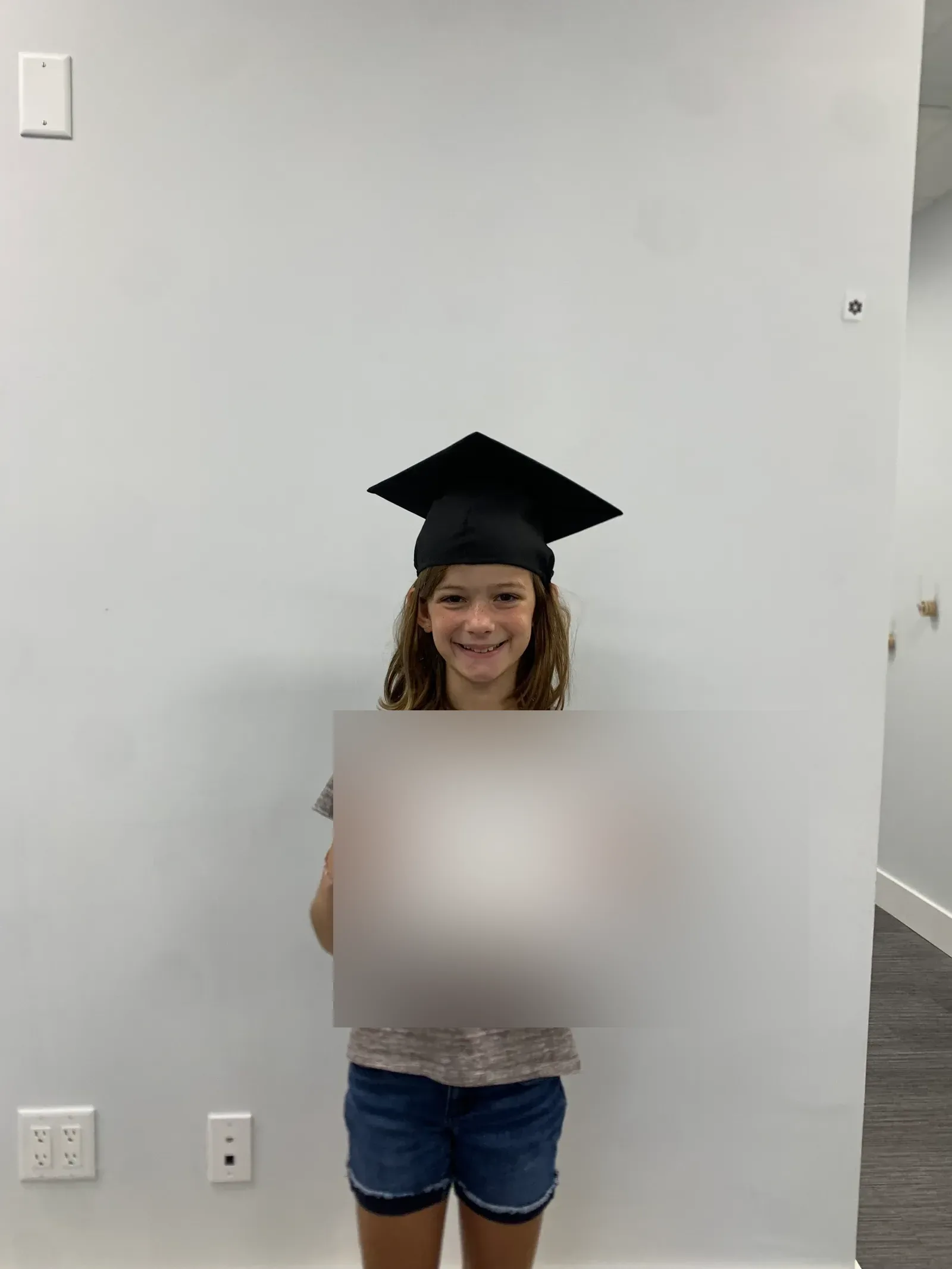
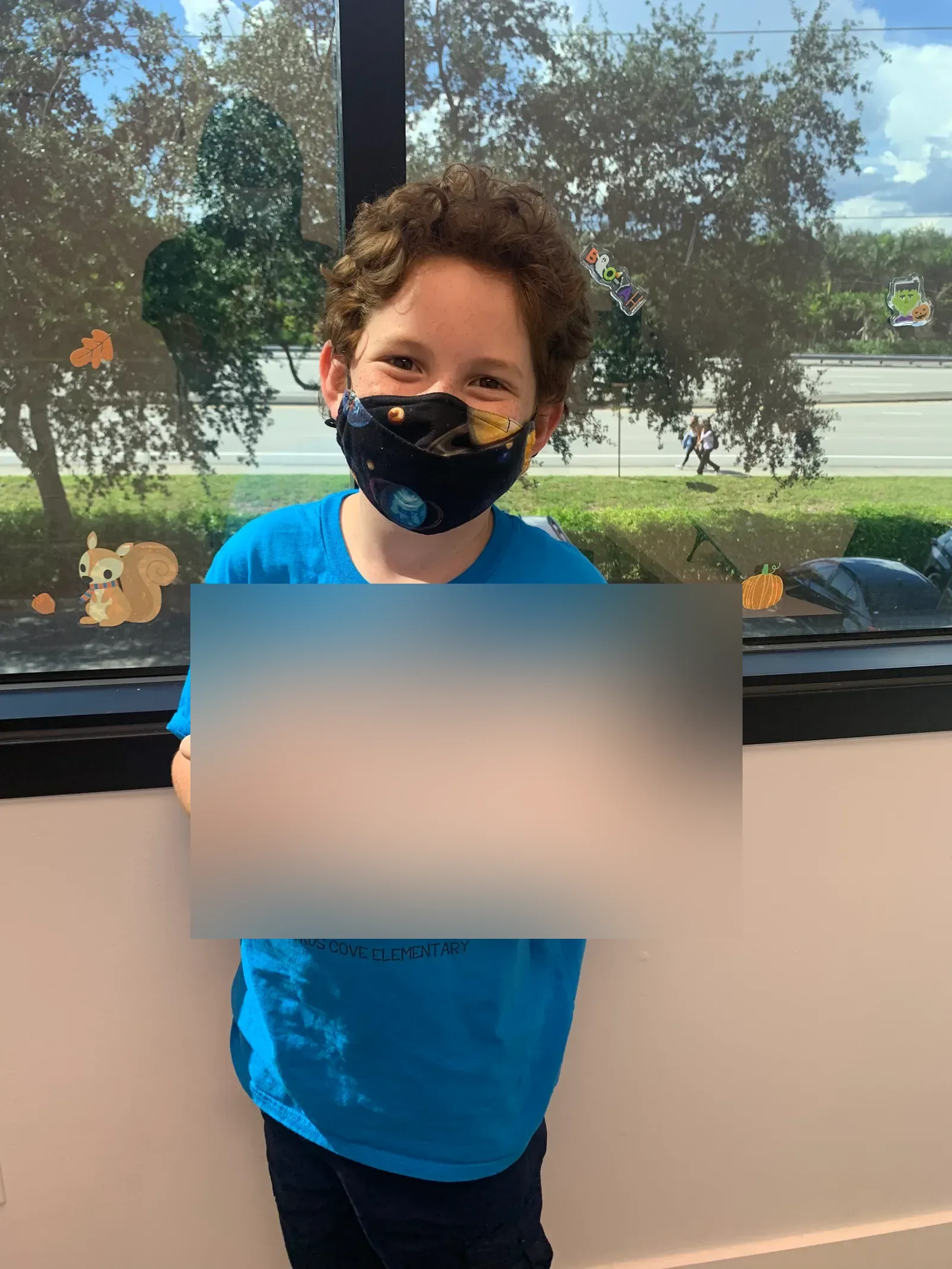
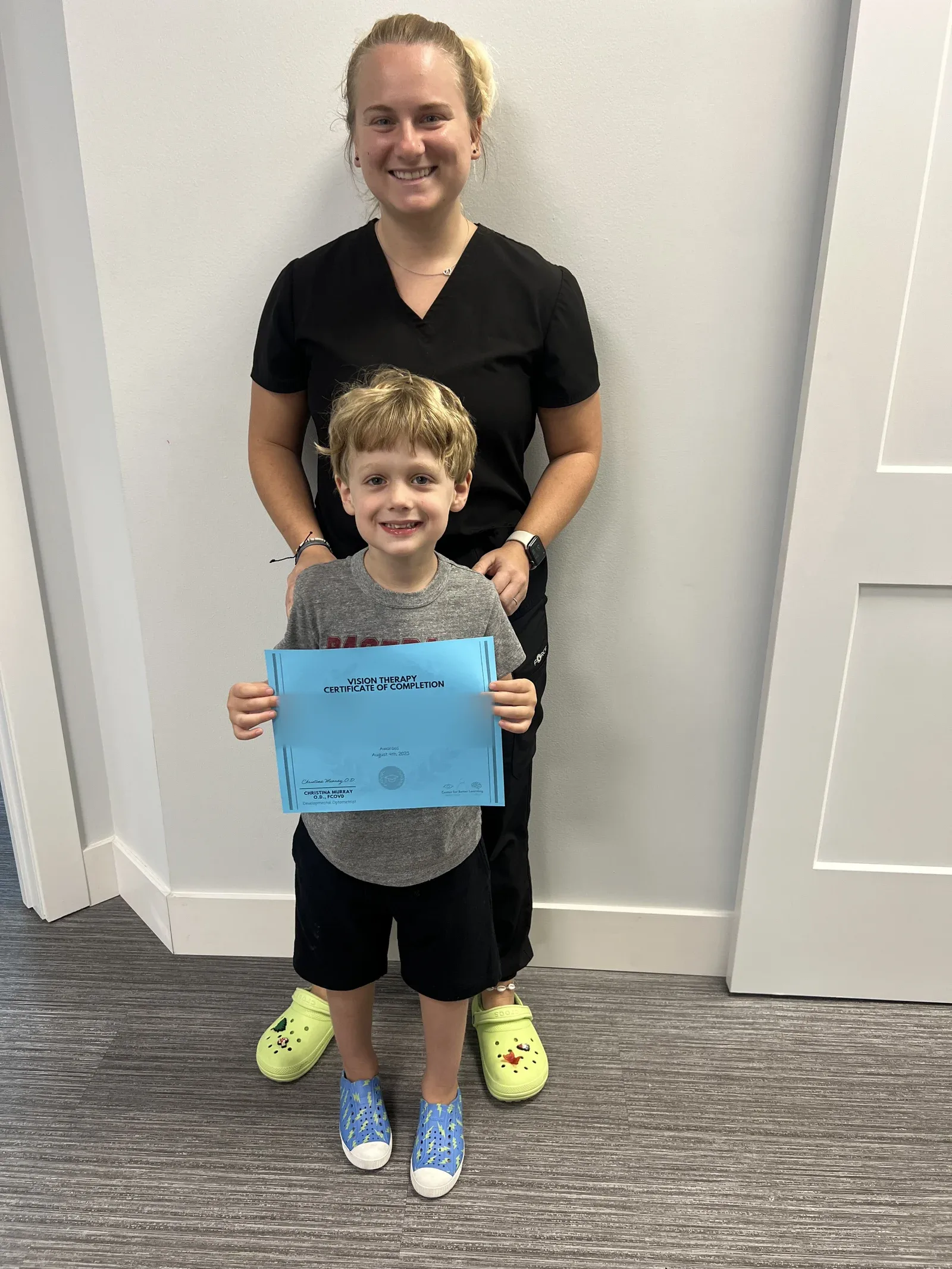
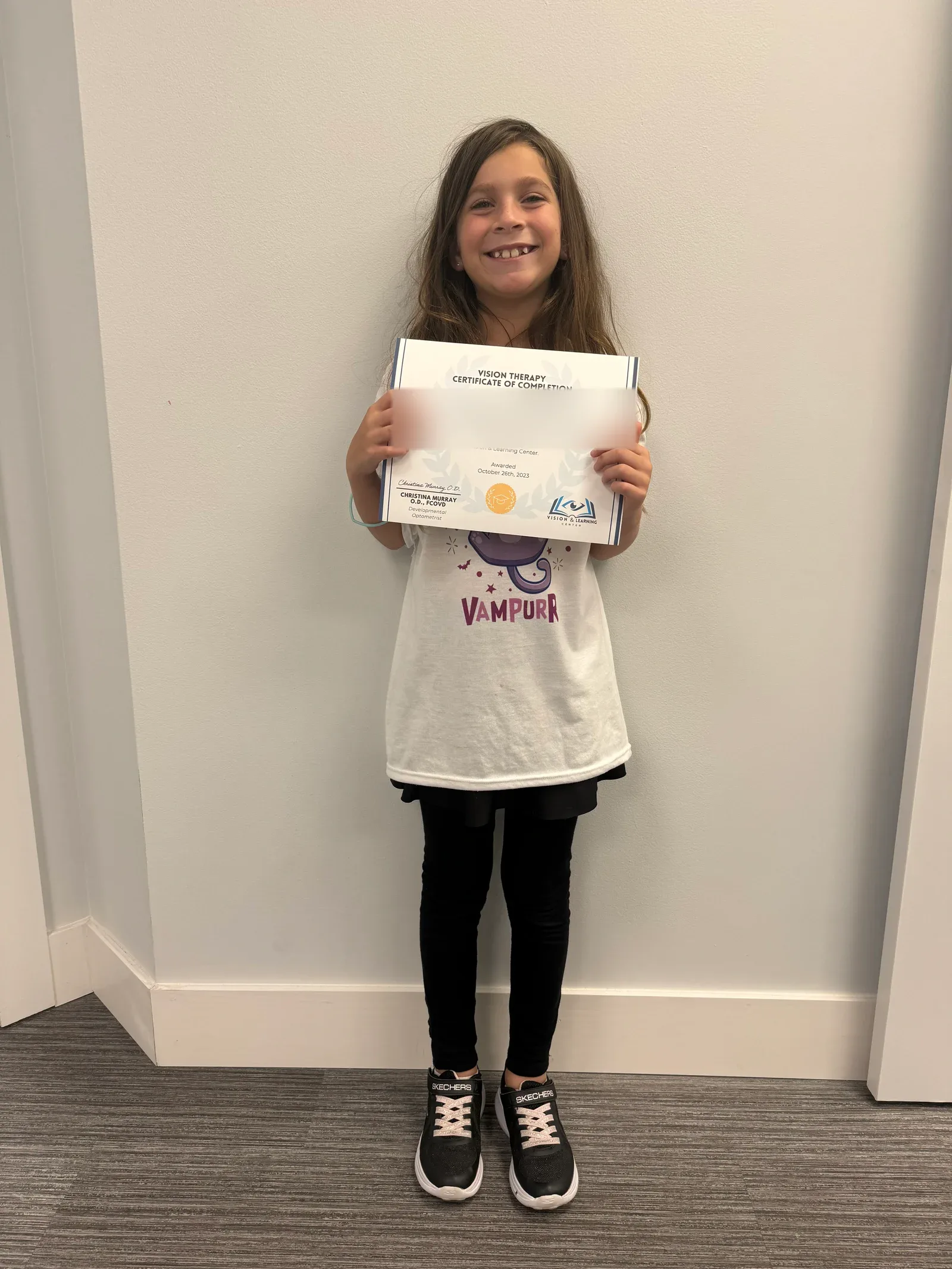
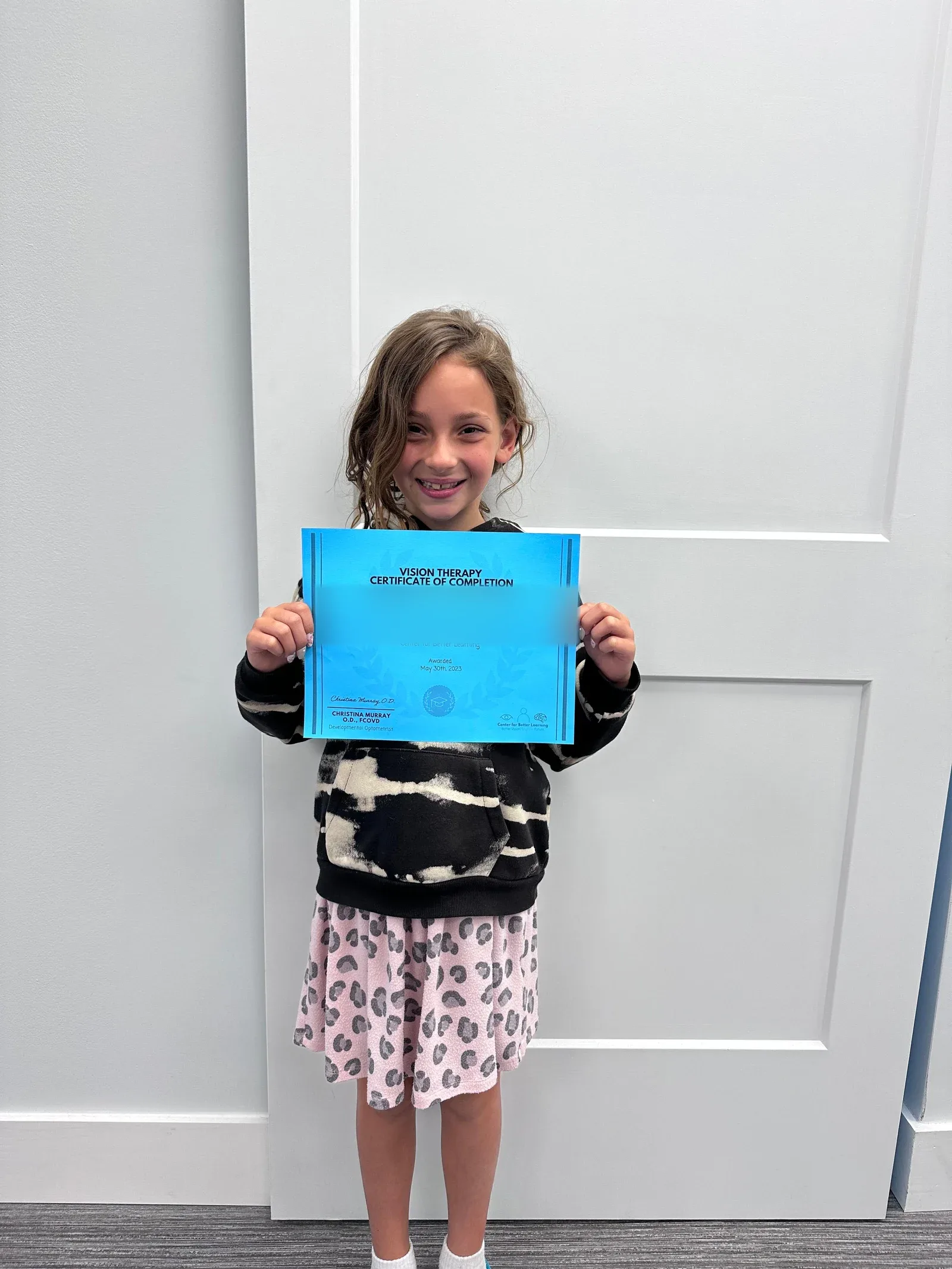
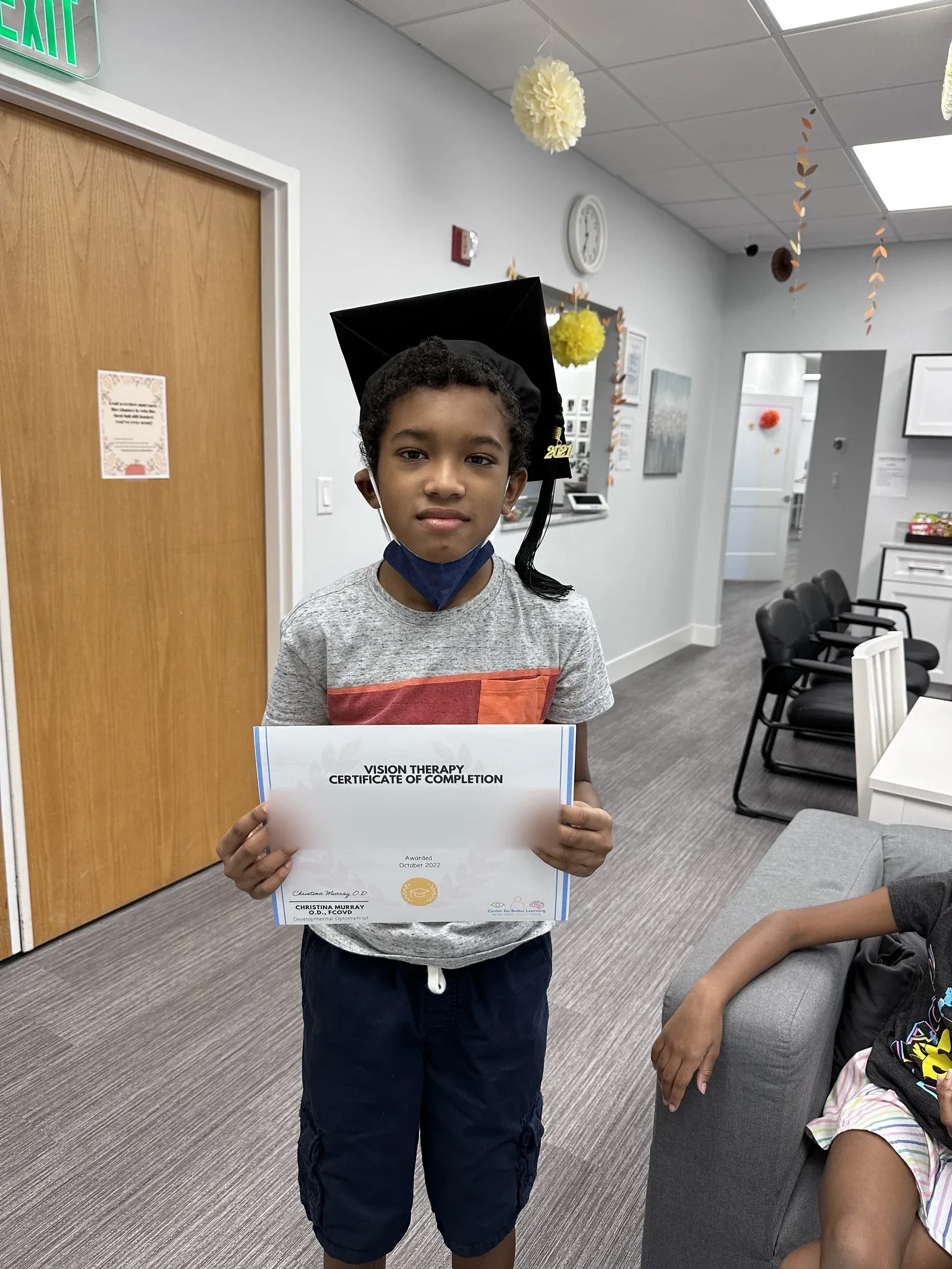
Welcome
Vision Is More Than 20/20
We are proud to offer primary eye care, vision therapy, and vision rehabilitation to our community across Southeast Florida.
Our goal is to raise awareness of how closely the eyes, brain, and body are connected — and to build the visual skills that connection depends on. Led by developmental optometrist Christina Murray, OD, FOVDR, our team has helped hundreds of South Florida families get to the bottom of problems other exams missed.
Whether it's a child struggling to read or an adult recovering from a concussion, you'll leave understanding exactly what's going on — and what to do about it.
What We Offer
Primary Eye Care, Vision Therapy & Vision Rehabilitation
Three ways we care for South Florida families — each one starting with a careful look at how the visual system is actually working.
Comprehensive Eye Exams
When children can't see clearly, their education and development are compromised. Regular, comprehensive eye exams are the only way to assess a child's vision accurately — eye health, prescription, and how the two eyes work together.
Vision Therapy
An individualized, doctor-supervised program that builds the eye teaming, tracking, focusing, and visual processing skills that reading and learning depend on.
Vision Rehabilitation
Neuro-optometric care after a concussion, brain injury, or stroke — for double vision, light sensitivity, balance trouble, and visual fatigue.
Take some time to learn about the different parts of your visual system — and take the interactive symptom checklist to see whether you or your child would benefit from vision therapy. You get an instant score you can bring to your evaluation.
Sound Familiar?
Most Common Recommendations
If you've been told one of these, you're not alone. Here's what it means — and how each one compares with vision therapy.
Prism / Reading Glasses
Prism and near (reading) prescriptions can reduce strain by changing how images land on the eyes — helpful for headaches, double vision and screen fatigue in both children and adults. We explain when lenses are a great fit and when they only manage the symptom.
“Wait and See”
Some things do resolve with time. A true eye-teaming or tracking problem usually does not. An evaluation tells you which situation you are actually in.
“Everything Looks Normal”
A clean eye-health exam and a 20/20 result are great news, but they do not measure how the eyes team, track, and focus during reading. That gap is exactly what we assess.
Who We Help
We Are Pediatric Vision Specialists
All types of learning — in the classroom, at home, or while socializing with friends — depend heavily on quality vision. Put simply: when children can't see clearly, their education and proper development are compromised.
Starting with infants, kids of all ages need sharp vision to explore and understand the world around them. Regular, comprehensive pediatric eye exams are the only way to assess your child's vision accurately.
Because our young patients grow so quickly, their vision is vastly different from an adult's. Toddlers, school-age children, and adolescents each have their own needs at these stages of life, so it's crucial to have their eyes thoroughly examined on a regular basis. Education experts say that 80% of learning is visual — and many issues tied to learning and extracurricular activities turn out to be eye-related.
Difficulty concentrating or acting fidgety can often be misdiagnosed as ADHD when in reality the child has developed a vision problem. Symptoms can include headaches, tiredness from schoolwork or playing sports, or excessive squinting at the board.
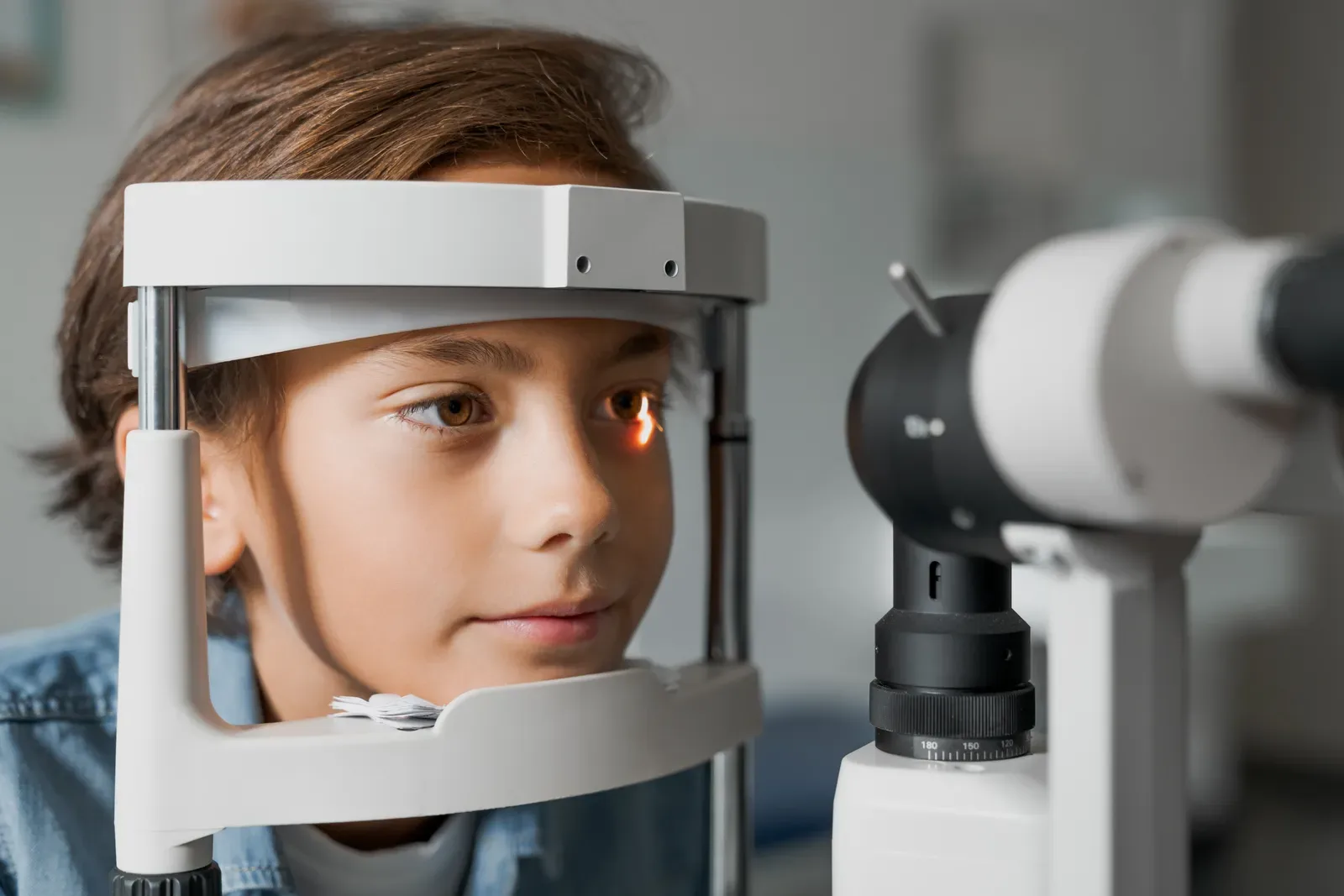
How Often Should a Child's Eyes Be Examined?
Children develop rapidly, especially in the early childhood years. That's why doctors recommend regular exams — to check how vision is advancing and to detect potential problems early. The American Optometric Association (AOA) recommends eye exams:
- 6 months The first eye exam, in the first year of life.
- 3 years A second exam before the school years begin.
- Starting school Again when a child begins school.
- Every 2 years At least every two years from then on.
In Our Office
How We Work With Children
Our staff works with children to:
- Help them feel comfortable in our office
- Conduct thorough eye exams
- Fit them correctly with glasses or contact lenses
- Share our findings with parents
- Show kids how to care for their glasses or contacts
What Families Bring Us
Reading strugglesLoss of place / skipping linesShort attention at near workHeadaches & eye strainLazy eye (amblyopia)Eye turns (strabismus)Convergence insufficiencyDouble visionDyslexia supportADHD-related visual demandsAutism & special needsHandwriting & copyingSports performance
Not Just Kids
But… We See Adults Too
Vision problems don't stop at childhood. We work with adults on eye strain, reading fatigue, double vision, and especially post-concussion and brain-injury recovery through neuro-optometric vision rehabilitation.
Follow Along
Follow Us on Instagram
See vision therapy in action, patient milestones, and tips — @vision.learningcenter.
Open Instagram →Our Offices
Care Close to Home
Boynton Beach
8200 S Jog Rd, Ste 200, Boynton Beach, FL 33472 Get directions →Boca Raton
1000 NW 9th Ct, Ste 203B, Boca Raton, FL 33486 Get directions →West Palm Beach
2051 45th Street, Ste 210, West Palm Beach, FL 33407 Get directions →Common Questions
Vision Therapy, Explained
What is vision therapy?
An individualized, doctor-supervised program that improves how the eyes and brain work together — eye teaming, tracking, focusing, and visual processing. It treats problems a glasses prescription alone cannot fix. Read the full explanation →
My child has 20/20 vision. Can they still have a problem?
Yes. 20/20 only measures clarity at distance. A child can see the chart perfectly and still struggle if the eyes do not team, track, or focus efficiently at reading distance. See the signs →
How often should my child have an eye exam?
The American Optometric Association recommends an eye exam at 6 months, again at 3 years, once more when a child begins school, and at least every two years after that. What an evaluation includes →
Do you treat adults, or only children?
Both — including adults recovering from concussion or brain injury through neuro-optometric vision rehabilitation.
How do we get started?
It starts with a comprehensive evaluation. Schedule online or call (561) 462-1245. Not sure yet? The symptom checklist is a good first step.
Ready to Get Answers?
It starts with a comprehensive evaluation. We'll tell you exactly what's going on and what to do next.