Who Referred You to Our Office?
Six kinds of professionals send families to us, and each one notices something different. Choose the one who sent you — the page explains what they likely saw, what we test for it, and what happens next.
A Referral Means Someone Looked Closer
A referral can feel like bad news. It usually isn’t. It means someone — the doctor who checked your child’s eyes, the therapist working on handwriting or balance, the teacher who watches them read all day — looked past “passed the eye chart” and asked a better question: are the two eyes actually working together?
Eyesight and visual skills are two different jobs. A child can read the 20/20 line and still lose their place, see words blur or double after a few minutes, tilt their head to keep print steady, or reverse letters well past the age when that stops being typical. Whoever referred you noticed the gap between effort and output — and sent you to the office that measures the skills behind it.
Whichever professional sent you, the next step is the same: a developmental vision evaluation, followed by a full report back to them. Are you the provider making the referral? Here’s how to send one.
Six Referral Sources, Six Answers
Pick the professional who referred you to see the reasons they most often send families to our office.
-
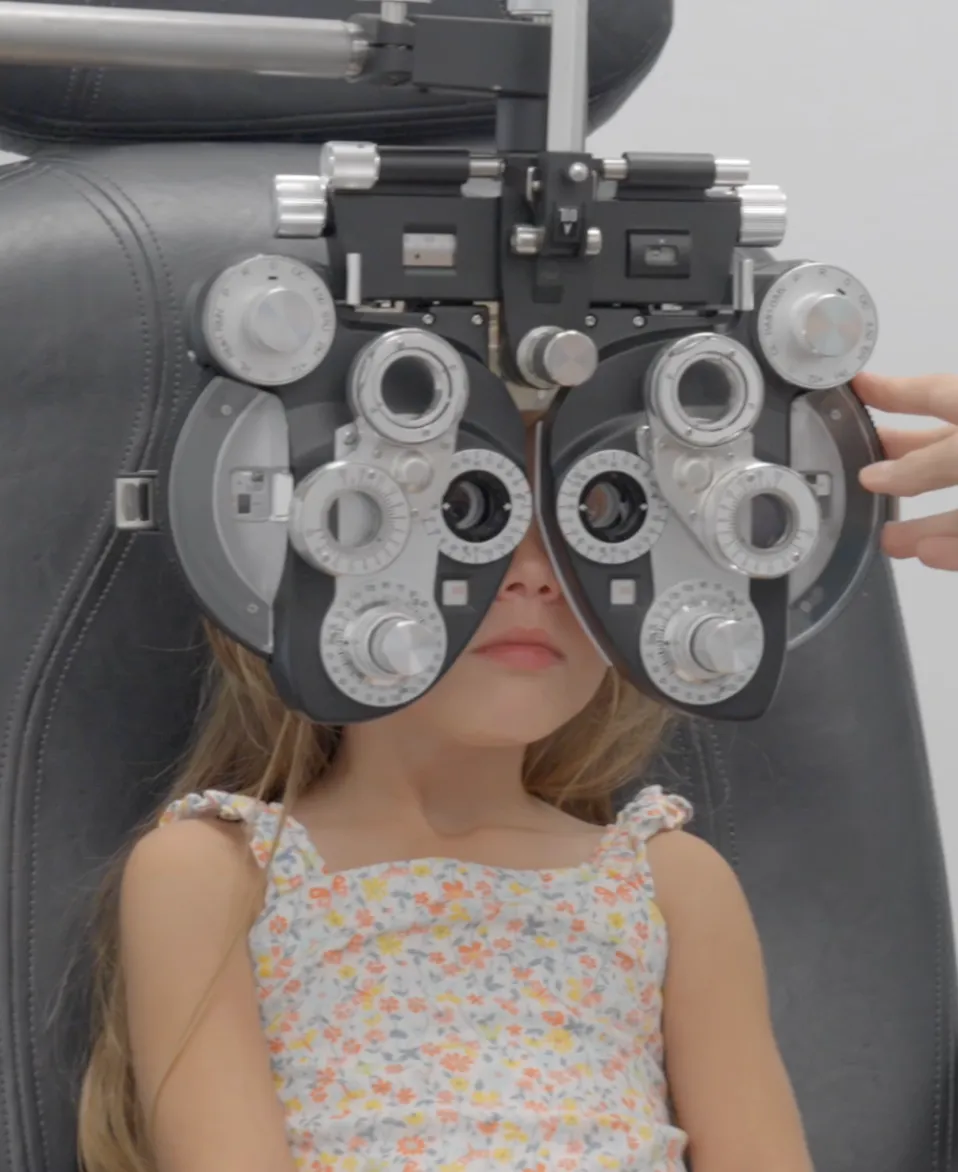
Eye Doctor
Optometrist or ophthalmologist
The eye health exam and the eye chart came back fine — or the glasses were updated — but something still did not add up. Eye doctors send families here when the two eyes are not working together the way reading and learning demand.
- Lazy eye — amblyopia or strabismus
- Eye teaming, eye focusing or eye tracking deficits (BVD)
- Visual perception and visual processing deficits
-

Psychologist
Psychologist or psychiatrist
Testing showed attention, frustration or avoidance around near work, and your provider wants a visual cause ruled in or out before the picture is complete.
- Difficulties with attention
- Eye teaming, eye focusing or eye tracking deficits (BVD)
- Visual perception and visual processing deficits
-

Occupational Therapist
Occupational therapist
Handwriting, near work or coordination goals stalled in therapy. Functional vision problems and motor-skill deficits overlap often enough that your OT wants the visual side checked.
- Lazy eye — amblyopia or strabismus
- Eye teaming, eye focusing or eye tracking deficits, and handwriting
- Visual perception and visual processing deficits
-

Pediatrician
Pediatrician or family doctor
A well-visit screening flagged something — a failed acuity check, an eye that drifts, or a parent report of headaches and reading struggles that a screening cannot sort out.
- Lazy eye — amblyopia or strabismus
- Eye teaming, eye focusing or eye tracking deficits (BVD)
- A failed vision screening at the well visit
-
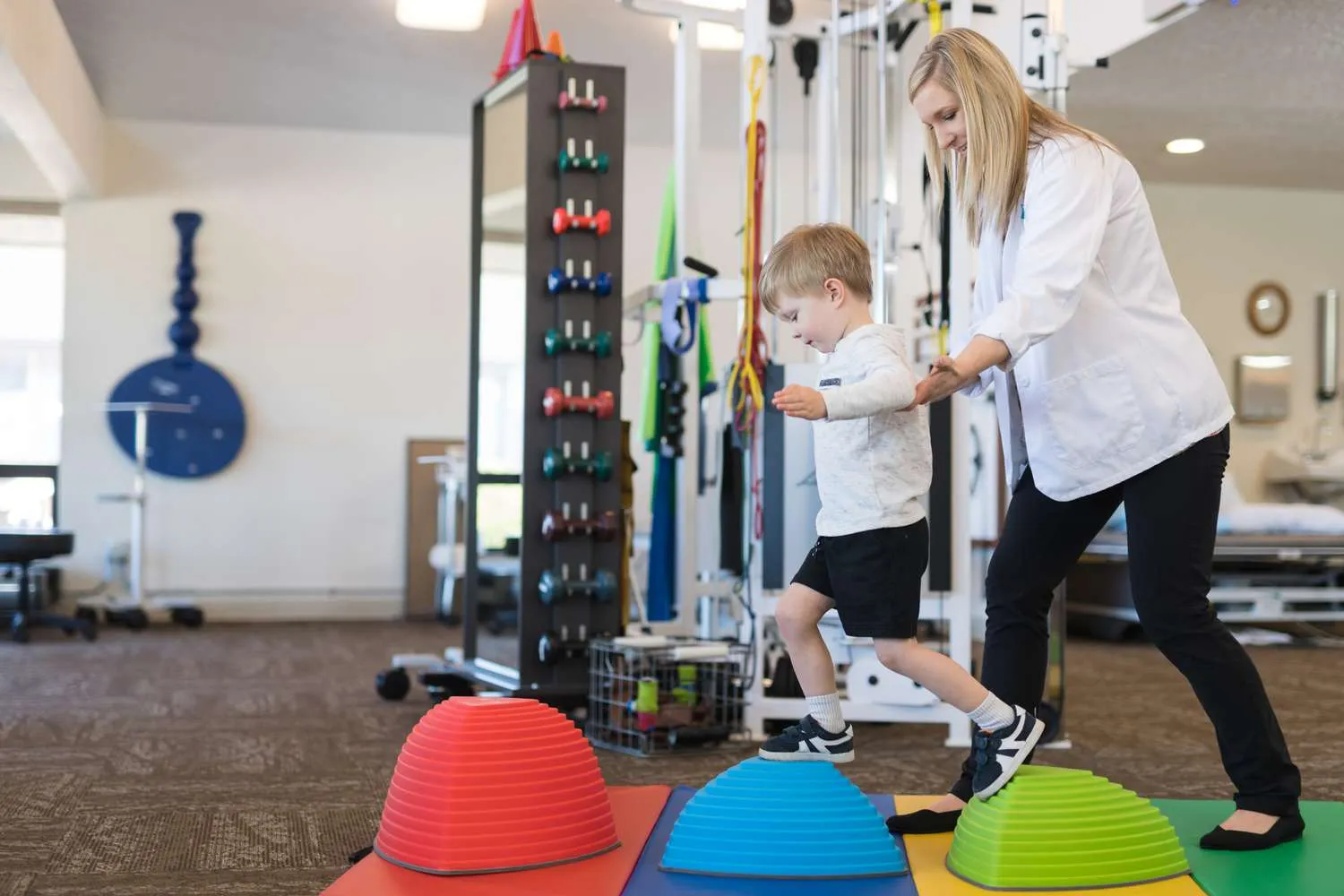
Physical Therapist
Physical therapist
Balance, posture and coordination work keeps hitting the same ceiling. Vision is one of the systems the body uses to know where it is in space, so your PT wants the eyes looked at.
- Lazy eye — amblyopia or strabismus
- Head tilt with eye teaming, focusing or tracking deficits
- Motor concerns — toe walking, balance or depth perception
-

Teacher
Teacher, reading specialist or school team
The person who watches your child read all day noticed the gap between effort and output — losing the place, skipping lines, headaches by the afternoon, attention that fades with near work.
- Difficulties with attention
- Eye teaming, eye focusing or eye tracking deficits (BVD)
- Headaches with reading and near work
Nobody referred you — you noticed it yourself? That works too. Start with the symptom survey, browse every problem we work with, or read how to begin.
From Referral to Report
Book a developmental vision evaluation
Bring whatever your provider gave you — a note, a prescription, a therapy report, a screening result. Tell us who referred you when you book so results reach the right office.
We test what a screening doesn’t
A developmental evaluation measures how the two eyes work together — eye teaming, eye focusing, eye tracking, depth perception and visual processing — beyond eye health and the eye chart. See what an evaluation looks at.
Your referring provider gets the findings
We send a full report on everything we tested, so nothing has to be repeated and everyone is working from the same results — whether or not therapy turns out to be indicated.
If therapy is indicated, we co-manage
During a vision therapy program we send periodic progress updates, and release your child back to their provider’s care once the program is complete.
Worth Reading First
- Comprehensive eye exam vs. developmental eye exam What each one measures, and why you were asked for the second.
- What school vision screenings miss Why a passed screening at school or the well visit isn’t the whole story.
- Can a child have 20/20 vision and still struggle with reading? How clear eyesight and a struggling reader can both be true.
- What is vision therapy? How a program works, week to week, if the evaluation shows it’s indicated.
Bring the Referral In
The evaluation is the next step no matter who sent you: we measure which visual skills are working and which aren’t, then report back to your provider either way. Offices in Coconut Creek, Boynton Beach, Boca Raton and West Palm Beach.