Why Did a Physical Therapist Refer Your Child?
Your PT is working on balance, posture and coordination — and noticed something that keeps getting in the way. Vision is one of the systems the body uses to know where it is in space, so when progress stalls, the eyes are worth checking. Here are the three reasons physical therapists across South Florida send families to us.
What Your Physical Therapist Noticed
A referral from a physical therapist usually comes from watching a child move. Balance work that doesn’t carry over. A head that stays tilted or turned no matter how the exercise is cued. Toes that keep coming off the ground. Missed catches, hesitancy on stairs, bumping into the doorframe on the way out. These are motor observations — but vision is one of the systems the brain uses to build them.
Visual-motor integration is the coordination between what the eyes see and how the body moves. Every time a child steps onto a curb, catches a ball or crosses a crowded room, the brain has to take in visual information and turn it into an accurate movement. When that connection is inefficient, the eyes can be perfectly healthy — 20/20 on the chart — and still leave the body guessing. The result is often labelled clumsiness or a motor delay when a visual problem is part of the picture.
None of this means vision is the whole answer. Toe walking, for example, also has causes your physical therapist is far better placed to address — muscle tightness, sensory processing differences, developmental delays. What an evaluation here does is rule a visual contribution in or out, so your PT knows which of those is left. Are you the referring therapist? Send us a referral.
What They May Have Seen
Most physical-therapy referrals to our office fall into one of these three groups. Choose the one that sounds like your child.
-

Lazy Eye
Amblyopia or Strabismus
One eye sees less clearly than the other, or one eye turns in, out, up or down. When the two eyes stop working as a team, depth perception suffers — and so does everything your PT is working on that depends on judging distance.
View More → -

BVD
Head Tilt, Eye Teaming, Eye Focusing, or Eye Tracking Deficits
Binocular vision dysfunction: the eyes are healthy and the eye chart is fine, but they don’t aim, focus or move together comfortably. A persistent head tilt or head turn is sometimes the posture a child adopts to make two eyes agree.
View More → -
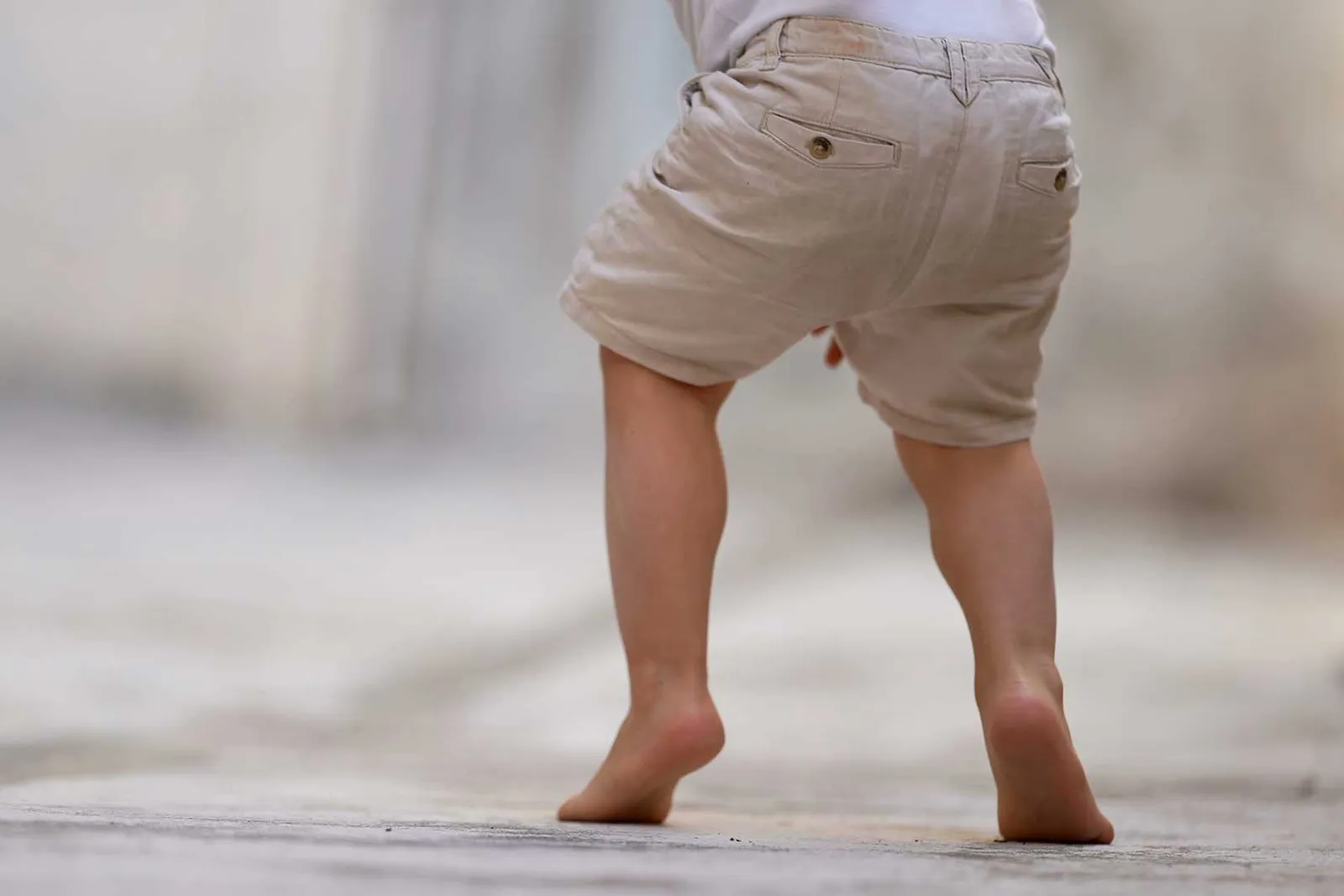
Motor
Toe Walking, Balance, or Depth Perception Issues
Visual-motor integration is the coordination between what the eyes see and how the body moves. When it is inefficient, a child may trip, bump into things, get car sick, avoid ball games — or walk on their toes.
View More →
Not sure which one fits? Start with the symptom survey or browse every problem we work with — the evaluation sorts it out either way. Related: dizziness & motion sensitivity and ocular motor dysfunction (tracking).
From Referral to Report
Schedule a developmental vision evaluation
Bring the note or report your physical therapist gave you, and tell us who referred you when you book so results go to the right clinic. Offices in Coconut Creek, Boynton Beach, Boca Raton and West Palm Beach.
We test what a 20/20 screening doesn’t
A developmental evaluation measures how the two eyes work together — eye teaming, eye focusing, eye tracking, depth perception, and how what the eyes see is coordinated with movement. Where relevant, retained primitive reflexes are assessed as one piece of the whole picture. See what an evaluation looks at.
Your physical therapist gets a full report
With your consent we send the referring therapist the findings and the recommended plan, so nothing has to be repeated and both plans are built on the same information.
If therapy is indicated, we work alongside PT
When a vision problem is part of the picture, Dr. Murray builds an individualized plan — which may include lenses or prism and in-office vision therapy. We send periodic progress updates and coordinate with your therapist’s goals rather than competing with them.
Worth Reading First
- Vision problems masquerading as poor coordination or clumsiness Why tripping, bumping and awkwardness during sports can trace back to the visual system.
- Learning to Learn Part 4: Motor Systems Body schema, bilateral integration, ocular motor control and motor planning — and how vision depends on them.
- The connection between primitive reflexes and vision How reflexes that should fade in infancy can keep interfering with eye function, posture and coordination.
- Understanding depth perception What it is, how it develops, and which vision conditions get in its way.
- Can vision therapy help with motion sickness or dizziness? When a mismatch between what the eyes see and how the body moves shows up as nausea.
- Vision therapy vs. occupational therapy Where the two overlap, where they don’t, and when a child benefits from both.
- Visual-motor integration, explained The full page on depth perception, motion sickness, toe walking and spatial awareness — with a short explainer video.
Bring the Referral In
The next step is the evaluation: we measure exactly which visual skills are working and which aren’t, then send your physical therapist the results either way. Offices in Coconut Creek, Boynton Beach, Boca Raton and West Palm Beach.